
Гранит - бул өзгөчө бекемдиги, тыгыздыгы, бышыктыгы жана коррозияга туруктуулугу үчүн казылып алынган магмалык тектин бир түрү. Бирок гранит ошондой эле абдан ар тараптуу - ал жөн гана квадраттар жана тик бурчтуктар үчүн эмес! Чындыгында, биз ар кандай вариациялардын формаларында, бурчтарында жана ийри сызыктарында жасалган гранит компоненттери менен үзгүлтүксүз иштейбиз - эң сонун натыйжалар менен.
Биздин заманбап иштетүү технологиябыздын аркасында кесилген беттер өзгөчө жалпак боло алат. Бул сапаттар гранитти машинанын негиздерин жана метрологиялык компоненттерин өзгөчө өлчөмдө жана өзгөчө дизайнда түзүү үчүн идеалдуу материалга айлантат. Гранит:
■ иштетүүгө боло турган
■ кесилгенде жана бүткөндө так жалпак
■ дат басууга туруктуу
■ бышык
■ узак мөөнөттүү
Граниттин компоненттерин тазалоо да оңой. Жекече дизайндарды түзүүдө, анын артыкчылыктары үчүн гранитти тандап алууну унутпаңыз.
СТАНДАРТТАР / КИЙИМДҮҮЛҮКТӨРДҮН КОЛДОНУЛУШУ
ZHHIMG тарабынан биздин стандарттуу беттик плиталар үчүн колдонулган граниттин курамында кварцтын курамы жогору, бул эскирүүгө жана бузулууга туруктуулукту жогорулатат. Биздин Superior Black түстөрүбүз сууну сиңирүү деңгээли төмөн, бул сиздин так өлчөгүчтөрүңүздүн плиталарга орнотулганда дат басып калуу мүмкүнчүлүгүн азайтат. ZHHIMG тарабынан сунушталган граниттин түстөрү азыраак жаркыроого алып келет, бул плиталарды колдонгон адамдардын көзүнүн чарчоосун азайтат. Бул аспектти минималдуу кармоо үчүн биз гранит түрлөрүн жылуулук менен кеңейүүнү эске алуу менен тандап алдык.
ЖЕКЕЧЕ ТИРКЕМЕЛЕР
Эгерде сиздин колдонууңузга ылайыкташтырылган формадагы, бурама кошулмалары бар, оюктары бар же башка иштетүү ыкмалары бар пластина керек болсо, сиз Black Jinan Black сыяктуу материалды тандашыңыз керек. Бул табигый материал жогорку катуулукту, мыкты титирөөнү басууну жана жакшыртылган иштетүү мүмкүнчүлүгүн сунуштайт.
Белгилей кетүүчү нерсе, түстүн өзү эле таштын физикалык сапаттарынын көрсөткүчү эмес. Жалпысынан алганда, граниттин түсү минералдардын болушуна же жоктугуна түздөн-түз байланыштуу, бул жакшы беттик плита материалын түзгөн сапаттарга эч кандай таасир этпеши мүмкүн. Беттик плиталар үчүн эң сонун болгон кызгылт, боз жана кара граниттер, ошондой эле так колдонуу үчүн таптакыр жараксыз кара, боз жана кызгылт граниттер бар. Граниттин беттик плита материалы катары колдонулушуна тиешелүү маанилүү мүнөздөмөлөрү түскө эч кандай тиешеси жок жана төмөнкүлөр:
■ Катуулук (жүк астында ийилүү - Серпилгичтик модулу менен көрсөтүлөт)
■ Катуулугу
■ Тыгыздык
■ Кийүүгө туруктуулук
■ Туруктуулук
■ Кеуектүүлүк
Биз көптөгөн гранит материалдарын сынап көрүп, бул материалдарды салыштырып көрдүк. Акыры, Цзинань кара гранити биз билген эң мыкты материал экени аныкталды. Индиянын кара гранити жана Түштүк Африканын гранити Цзинань кара гранитине окшош, бирок алардын физикалык касиеттери Цзинань кара гранитине караганда төмөн. ZHHIMG дүйнөдө көбүрөөк гранит материалдарын издеп, алардын физикалык касиеттерин салыштыра берет.
Долбооруңузга туура келген гранит жөнүндө көбүрөөк маалымат алуу үчүн, биз менен байланышыңызinfo@zhhimg.com.
Ар кандай өндүрүүчүлөр ар кандай стандарттарды колдонушат. Дүйнөдө көптөгөн стандарттар бар.
Алардын спецификацияларынын негизи катары DIN стандарты, ASME B89.3.7-2013 же GGG-P-463c федералдык спецификациясы (Гранит беттик плиталар) жана башкалар колдонулат.
Жана биз сиздин талаптарыңызга ылайык граниттен жасалган так текшерүү плитасын чыгара алабыз. Эгерде сиз көбүрөөк стандарттар жөнүндө көбүрөөк маалымат алгыңыз келсе, биз менен байланышууга кош келиңиз.
Тегиздикти беттеги бардык чекиттер эки параллель тегиздикте, негиз тегиздигинде жана чатыр тегиздигинде жайгашкан деп кароого болот. Тегиздиктердин ортосундагы аралыкты өлчөө - бул беттин жалпы тегиздиги. Бул тегиздикти өлчөө, адатта, толеранттуулукка ээ жана класстык белгини камтышы мүмкүн.
Мисалы, үч стандарттык класс үчүн тегиздикке жол берүү төмөнкү формула менен аныкталган федералдык спецификацияда аныкталган:
■ Лабораториялык класстагы AA = (40 + диагоналдык квадрат/25) x .000001" (бир тараптуу)
■ Текшерүү даражасы А = Лабораториялык даража AA x 2
■ Куралдар бөлмөсүнүн B даражасы = Лабораториянын AA даражасы x 4.
Стандарттык өлчөмдөгү беттик плиталар үчүн биз ушул спецификациянын талаптарынан ашкан тегиздикке жол бербөөчүлүктү кепилдейбиз. Тегиздиктен тышкары, ASME B89.3.7-2013 жана GGG-P-463c федералдык спецификациясы төмөнкүлөрдү камтыган темаларды камтыйт: кайталап өлчөө тактыгы, беттик плита граниттеринин материалдык касиеттери, беттин жасалгасы, таяныч чекитинин жайгашкан жери, катуулугу, текшерүүнүн алгылыктуу ыкмалары, бурамалуу кошумчаларды орнотуу ж.б.
ZHHIMG гранит беттик плиталары жана гранит текшерүү плиталары ушул спецификацияда көрсөтүлгөн бардык талаптарга жооп берет же алардан ашып түшөт. Учурда гранит бурчтук плиталары, параллелдер же негизги квадраттар үчүн аныктоочу спецификация жок.
Жана башка стандарттар үчүн формулаларды бул жерден таба аласызЖҮКТӨП АЛУУ.
Биринчиден, плитаны таза кармоо маанилүү. Абадагы абразивдүү чаң, адатта, плитанын эскиришинин жана айрылышынын эң чоң булагы болуп саналат, анткени ал жумушчу бөлүктөргө жана өлчөгүчтөрдүн тийүүчү беттерине сиңип калат. Экинчиден, плитаны чаңдан жана бузулуудан коргоо үчүн аны жаап коюңуз. Пластинаны колдонбогон учурда жаап коюу, бир жер ашыкча колдонулбашы үчүн плитаны мезгил-мезгили менен айландыруу жана өлчөгүчтөгү болоттон жасалган тийүүчү төшөктөрдү карбид төшөктөрү менен алмаштыруу менен эскирүү мөөнөтүн узартууга болот. Ошондой эле, плитага тамак-аш же алкоголсуз суусундуктарды коюудан алыс болуңуз. Көптөгөн алкоголсуз суусундуктардын курамында көмүртек же фосфор кислотасы бар экенин эске алыңыз, ал жумшак минералдарды эритип, бетинде кичинекей чуңкурларды калтырышы мүмкүн.
Бул тарелка кантип колдонулуп жатканына жараша болот. Мүмкүн болсо, тарелканы күндүн башында (же жумуш нөөмөтүндө) жана аягында кайра тазалоону сунуштайбыз. Эгерде тарелка кирдеп калса, айрыкча майлуу же жабышкак суюктуктар менен, аны дароо тазалоо керек.
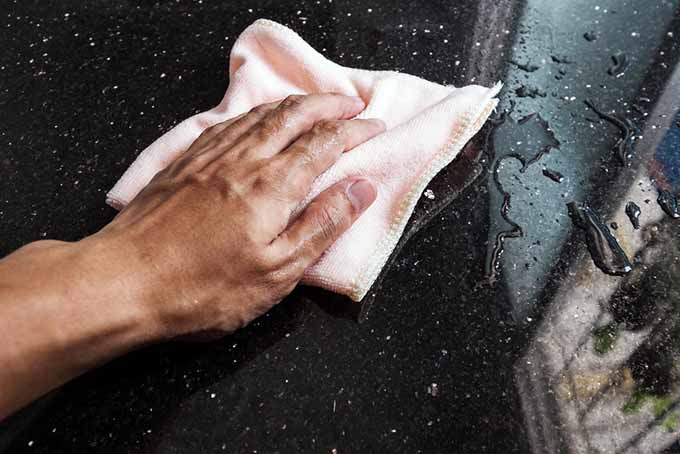
Пластинаны суюктук же ZHHIMG суусуз беттик плита тазалагычы менен үзгүлтүксүз тазалап туруңуз. Тазалоочу эритмелерди тандоо маанилүү. Эгерде учуучу эриткич (ацетон, лак эриткичи, спирт ж.б.) колдонулса, буулануу бетти муздатып, аны бурмалайт. Бул учурда, аны колдонуудан мурун плитанын нормалдашышына мүмкүнчүлүк берүү керек, болбосо өлчөө каталары келип чыгат.
Пластинанын нормалдашуусу үчүн талап кылынган убакыт плитанын өлчөмүнө жана муздатуунун көлөмүнө жараша өзгөрүп турат. Кичинекей плиталар үчүн бир саат жетиштүү болушу керек. Чоңураак плиталар үчүн эки саат талап кылынышы мүмкүн. Эгерде суу негизиндеги тазалоочу каражат колдонулса, буулануучу муздатуу да болот.
Ошондой эле, пластина сууну кармап калат жана бул металл тетиктеринин бетине тийип турганда дат басышына алып келиши мүмкүн. Айрым тазалоочу каражаттар кургагандан кийин жабышкак калдыктарды калтырат, бул абадагы чаңды өзүнө тартып, эскирүүнү азайтпастан, көбөйтөт.
Бул плитанын колдонулушуна жана айлана-чөйрөгө жараша болот. Жаңы плитаны же так гранит аксессуарын сатып алгандан кийин бир жылдын ичинде толук кайра калибрлөөдөн өткөрүүнү сунуштайбыз. Эгерде гранит беттик плитасы көп колдонулса, бул аралыкты алты айга чейин кыскартуу сунушталат. Электрондук деңгээлди же ушул сыяктуу түзмөктү колдонуп, кайталап өлчөө каталарын ай сайын текшерүү эскирүүнүн пайда болгон жерлерин көрсөтөт жана аны аткаруу бир нече мүнөт гана талап кылынат. Биринчи кайра калибрлөөнүн жыйынтыктары аныкталгандан кийин, калибрлөө аралыгы сиздин ички сапат системаңыз уруксат берген же талап кылгандай узартылышы же кыскартылышы мүмкүн.
Биз сизге гранит беттик плитаңызды текшерүүгө жана калибрлөөгө жардам берүү кызматын сунуштай алабыз.

Калибрлөөнүн ортосундагы айырмачылыктардын бир нече себептери болушу мүмкүн:
- Калибрлөөдөн мурун бет ысык же муздак эритме менен жуулган жана нормалдаштырууга жетиштүү убакыт берилген эмес
- Пластина туура эмес колдоого алынган
- Температуранын өзгөрүшү
- Долбоорлор
- Пластинанын бетине түз тийген күн нуру же башка жылуулук нурлары тийип турушу керек. Үстүңкү жарык бетти ысытып кетпешине ынаныңыз
- Кыш менен жайдын ортосундагы вертикалдык температура градиентинин өзгөрүшү (Мүмкүн болсо, калибрлөө жүргүзүлгөн учурдагы вертикалдык градиенттин температурасын билиңиз.)
- Ташталгандан кийин плитанын нормалдашуусу үчүн жетиштүү убакыт берилген эмес
- Текшерүү жабдууларын туура эмес колдонуу же калибрленбеген жабдууларды колдонуу
- Эскирүүдөн келип чыккан беттин өзгөрүшү
Тактык гранитинде канча түрдүү тешик бар?
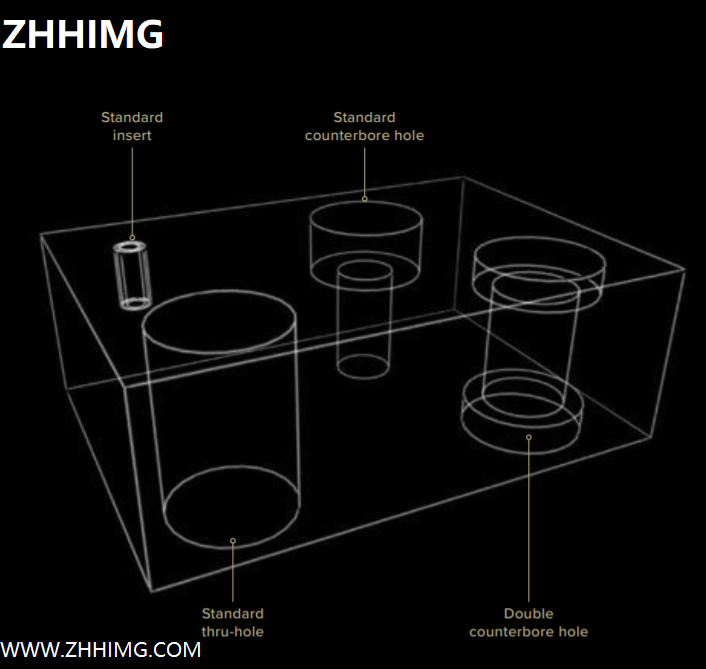
Precision Granite компоненттериндеги уячалар
Көптөгөн заводдор, текшерүү бөлмөлөрү жана лабораториялар үчүн так өлчөө үчүн негиз катары граниттин так беттик плиталары колдонулат. Ар бир сызыктуу өлчөө акыркы өлчөмдөр алынган так эталондук бетке көз каранды болгондуктан, беттик плиталар иштетүүдөн мурун жумушту текшерүү жана жайгаштыруу үчүн эң жакшы эталондук тегиздикти камсыз кылат. Алар ошондой эле бийиктикти өлчөө жана беттерди өлчөө үчүн идеалдуу негиз болуп саналат. Андан тышкары, тегиздиктин, туруктуулуктун, жалпы сапаттын жана чеберчиликтин жогорку деңгээли аларды татаал механикалык, электрондук жана оптикалык өлчөө системаларын орнотуу үчүн жакшы тандоо кылат. Бул өлчөө процесстеринин кайсынысы болбосун, беттик плиталарды калибрлөө өтө маанилүү.
Өлчөөлөрдү жана тегиздикти кайталаңыз
Тегиздик жана кайталап өлчөө так бетти камсыз кылуу үчүн абдан маанилүү. Тегиздикти беттеги бардык чекиттер эки параллель тегиздикте, негиз тегиздигинде жана чатыр тегиздигинде жайгашкан деп кароого болот. Тегиздиктердин ортосундагы аралыкты өлчөө - бул беттин жалпы тегиздиги. Бул тегиздикти өлчөө көбүнчө толеранттуулукка ээ жана класстык белгини камтышы мүмкүн.
Үч стандарттуу класс үчүн тегиздикке жол берүү төмөнкү формула менен аныкталган федералдык спецификацияда аныкталат:
DIN стандарты, GB стандарты, ASME стандарты, JJS стандарты... ар кандай стенддер менен ар кайсы өлкөлөр...
Стандарт жөнүндө көбүрөөк маалымат.
Тегиздиктен тышкары, кайталануучулугу камсыз кылынышы керек. Кайталап өлчөө - бул жергиликтүү тегиздик аянттарын өлчөө. Бул көрсөтүлгөн толеранттуулуктун чегинде кайталана турган пластинанын бетинин каалаган жеринде жүргүзүлгөн өлчөө. Жергиликтүү аймактын тегиздигин жалпы тегиздикке караганда катуураак толеранттуулукка чейин көзөмөлдөө беттин тегиздик профилинин акырындык менен өзгөрүшүн кепилдейт, ошону менен жергиликтүү каталарды азайтат.
Беттик плитанын тегиздикке жана кайталап өлчөө спецификацияларына жооп беришин камсыз кылуу үчүн, гранит беттик плиталарын өндүрүүчүлөр өздөрүнүн спецификациялары үчүн негиз катары GGG-P-463c федералдык спецификациясын колдонушу керек. Бул стандарт кайталап өлчөөнүн тактыгын, беттик плита гранитинин материалдык касиеттерин, беттин жасалгасын, таяныч чекитинин жайгашкан жерин, катуулугун, текшерүүнүн алгылыктуу ыкмаларын жана бурамалуу кошумчаларды орнотууну карайт.
Пластинанын тактыгын текшерүү
Бир нече жөнөкөй көрсөтмөлөрдү аткаруу менен, гранит беттик плитага салынган инвестиция көп жылдарга жетет. Пластинанын колдонулушуна, цехтин чөйрөсүнө жана талап кылынган тактыкка жараша, беттик плитанын тактыгын текшерүү жыштыгы ар кандай болот. Жалпы эреже боюнча, жаңы плита сатып алынгандан кийин бир жылдын ичинде толук кайра калибрлениши керек. Эгерде плита көп колдонулса, бул аралыкты алты айга чейин кыскартуу сунушталат.
Беттик пластина жалпы тегиздик үчүн спецификациядан тышкары эскирип калганга чейин, ал эскирген же толкундуу мамыларды көрсөтөт. Кайталап өлчөөчү аспапты колдонуп, кайталап өлчөө каталарын ай сайын текшерүү эскирүү тактарын аныктайт. Кайталап өлчөөчү аспап - бул жергиликтүү катаны аныктаган жана жогорку чоңойтуучу электрондук күчөткүчтө көрсөтүлө турган жогорку тактыктагы аспап.
Натыйжалуу текшерүү программасына автоколлиматор менен үзгүлтүксүз текшерүүлөр кириши керек, бул Улуттук Стандарттар жана Технологиялар Институтуна (NIST) байкоого боло турган жалпы тегиздикти иш жүзүндө калибрлөөнү камсыз кылат. Өндүрүүчү же көз карандысыз компания тарабынан мезгил-мезгили менен комплекстүү калибрлөө зарыл.
Калибрлөөлөрдүн ортосундагы айырмачылыктар
Айрым учурларда, беттик плиталарды калибрлөөнүн ортосунда айырмачылыктар болот. Кээде бул айырмачылыктарды эскирүүдөн келип чыккан беттин өзгөрүшү, текшерүү жабдууларын туура эмес колдонуу же калибрленбеген жабдууларды колдонуу сыяктуу факторлор түшүндүрүшү мүмкүн. Бирок, эң кеңири таралган эки фактор - температура жана колдоо.
Эң маанилүү өзгөрмөлөрдүн бири - температура. Мисалы, калибрлөөдөн мурун бет ысык же муздак эритме менен жуулуп, нормалдаштырууга жетиштүү убакыт берилбеген болушу мүмкүн. Температуранын өзгөрүшүнүн башка себептерине муздак же ысык абанын шамалынын таасири, күндүн түз нуру, үстүнкү жарык же пластинанын бетиндеги башка нурлануучу жылуулук булактары кирет.
Ошондой эле кыш менен жайдын ортосунда вертикалдык температура градиентинде өзгөрүүлөр болушу мүмкүн. Айрым учурларда, пластина жөнөтүлгөндөн кийин нормалдашууга жетиштүү убакыт берилбейт. Калибрлөө жүргүзүлгөн учурда вертикалдык градиенттин температурасын жазып алуу жакшы идея.
Калибрлөөнүн өзгөрүшүнүн дагы бир кеңири таралган себеби - туура эмес таянычтын болушу. Беттик плита үч чекиттен таяныч менен бекитилиши керек, идеалдуу түрдө плитанын учтарынан узундугунун 20% алыстыкта жайгашышы керек. Эки таяныч узун капталдарынан туурасынын 20% алыстыкта жайгашышы керек, ал эми калган таяныч борбордо болушу керек.
Тактык бетинен башкасынын үстүнө үч гана чекит бекем таяна алат. Пластинаны үчтөн ашык чекитке таянууга аракет кылуу плитанын үч чекиттин ар кандай айкалыштарынан таяныч алышына алып келет, бул анын өндүрүш учурунда таяныч катары колдонулган үч чекит менен бирдей болбойт. Бул плита жаңы таяныч түзүлүшүнө ылайыкташып бурулуп кеткенде каталарды жаратат. Тийиштүү таяныч чекиттери менен бир сызыкка келүү үчүн иштелип чыккан таяныч устундары бар болоттон жасалган таянычтарды колдонууну карап көрүңүз. Бул максат үчүн таянычтарды, адатта, беттик плита өндүрүүчүсүнөн сатып алса болот.
Эгерде пластина туура тирелсе, аны так тегиздөө колдонмо көрсөткөн учурда гана зарыл. Туура тирелген пластинанын тактыгын сактоо үчүн тегиздөөнүн кажети жок.
Пластинанын иштөө мөөнөтүн узартуу
Бир нече көрсөтмөлөрдү аткаруу гранит беттик плитасынын эскирүүсүн азайтып, акырында анын иштөө мөөнөтүн узартат.
Биринчиден, пластинаны таза кармоо маанилүү. Абадагы абразивдүү чаң, адатта, пластинанын эскиришинин жана айрылышынын эң чоң булагы болуп саналат, анткени ал жумушчу бөлүктөргө жана өлчөгүчтөрдүн тийүүчү беттерине сиңип калат.
Ошондой эле, плиталарды чаңдан жана бузулуудан коргоо үчүн аларды жаап коюу маанилүү. Пластинаны колдонбогон учурда жаап коюу менен эскирүү мөөнөтүн узартууга болот.
Пластинаны мезгил-мезгили менен айландырып туруңуз, ошондо бир гана жер ашыкча колдонулбайт. Ошондой эле, өлчөгүчтөрдөгү болоттон жасалган контакттык төшөктөрдү карбид төшөктөрү менен алмаштыруу сунушталат.
Тамак-ашты же алкоголсуз суусундуктарды тарелкага коюудан алыс болуңуз. Көптөгөн алкоголсуз суусундуктарда көмүртек же фосфор кислотасы бар, алар жумшак минералдарды эритип, бетинде майда чуңкурларды калтырышы мүмкүн.
Кайда кайталоо керек
Гранит беттик плитасын кайра жабуу керек болгондо, бул кызматты жеринде же калибрлөөчү жайда аткарууну карап көрүңүз. Пластинаны заводдо же атайын жайда кайра жабуу ар дайым жакшы. Бирок, эгерде плита өтө катуу эскирбесе, адатта талап кылынган толеранттуулуктун 0,001 дюймунун чегинде болсо, аны жеринде кайра жабууга болот. Эгерде плита толеранттуулуктун чегинен 0,001 дюймдан ашык эскирген болсо же ал катуу чуңкурланган же тытылган болсо, анда аны кайра жабуудан мурун майдалоо үчүн заводго жөнөтүү керек.
Калибрлөөчү жайда пластинаны туура калибрлөө жана зарыл болгон учурда кайра иштетүү үчүн оптималдуу шарттарды камсыз кылган жабдуулар жана заводдук жөндөөлөр бар.
Жеринде калибрлөө жана бетин жаңыртуу боюнча техникти тандоодо өтө кылдаттык менен мамиле кылуу керек. Аккредитация сурап, техник колдоно турган жабдуунун калибрлөөсүн көзөмөлдөөгө мүмкүн экенин текшериңиз. Тажрыйба да маанилүү фактор болуп саналат, анткени так гранитти кантип туура тегиздөөнү үйрөнүү үчүн көп жылдар талап кылынат.
Маанилүү өлчөөлөр так гранит беттик плитасын баштапкы сызык катары колдонуудан башталат. Туура калибрленген беттик плитаны колдонуу менен ишенимдүү шилтемени камсыз кылуу менен, өндүрүүчүлөр ишенимдүү өлчөөлөр жана сапаттуу тетиктер үчүн маанилүү куралдардын бирине ээ.Q
Калибрлөөнүн вариациялары үчүн текшерүү тизмеси
1. Калибрлөөдөн мурун бет ысык же муздак эритме менен жуулган жана нормалдаштыруу үчүн жетиштүү убакыт берилген эмес.
2. Пластина туура эмес тирелген.
3. Температуранын өзгөрүшү.
4. Долбоорлор.
5. Пластинанын бетине түз күн нуру же башка жылуулук тийбеши керек. Үстүңкү жарык бетти ысытып кетпешине ынаныңыз.
6. Кыш менен жайдын ортосундагы вертикалдык температура градиентинин өзгөрүшү. Мүмкүн болсо, калибрлөө жүргүзүлгөн учурдагы вертикалдык градиенттин температурасын билиңиз.
7. Пластинанын жөнөтүлгөндөн кийин нормалдашуусу үчүн жетиштүү убакыт берилген эмес.
8. Текшерүү жабдууларын туура эмес колдонуу же калибрленбеген жабдууларды колдонуу.
9. Эскирүүнүн натыйжасында пайда болгон беттин өзгөрүшү.
Техникалык кеңештер
- Ар бир сызыктуу өлчөө акыркы өлчөмдөр алынган так эталондук бетке көз каранды болгондуктан, беттик плиталар иштетүүдөн мурун жумушту текшерүү жана жайгаштыруу үчүн эң жакшы эталондук тегиздикти камсыз кылат.
- Жергиликтүү аймактын тегиздигин жалпы тегиздикке караганда катуураак толеранттуулукка чейин көзөмөлдөө беттин тегиздик профилинин акырындык менен өзгөрүшүн кепилдейт, ошону менен жергиликтүү каталарды азайтат.
- Натыйжалуу текшерүү программасы автоколлиматор менен үзгүлтүксүз текшерүүлөрдү камтышы керек, бул Улуттук инспекция органына жөнөтүлө турган жалпы тегиздикти калибрлөөнү камсыз кылат.
Гранитти түзгөн минералдык бөлүкчөлөрдүн ичинен 90% дан ашыгын талаа шпаты жана кварц түзөт, алардын ичинен талаа шпаты эң көп кездешет. Талаа шпаты көбүнчө ак, боз жана эттүү кызыл түстө болот, ал эми кварц көбүнчө түссүз же бозомук ак түстө болот, алар граниттин негизги түсүн түзөт. Талаа шпаты жана кварц катуу минералдар болуп саналат жана аларды болот бычак менен жылдыруу кыйын. Граниттеги кара тактарга, негизинен кара слюдага келсек, башка минералдар да бар. Биотит салыштырмалуу жумшак болгону менен, анын стресске туруштук берүү жөндөмү алсыз эмес жана ошол эле учурда аларда граниттин аз өлчөмү, көбүнчө 10% дан аз. Бул граниттин өзгөчө бекем болгон материалдык абалы.
Граниттин бекем болушунун дагы бир себеби, анын минералдык бөлүкчөлөрү бири-бири менен тыгыз байланышта жана бири-биринин ичине сиңип калган. Тешикчелер көбүнчө тектин жалпы көлөмүнүн 1% дан азын түзөт. Бул гранитке күчтүү басымга туруштук берүү жөндөмүн берет жана нымдуулук ага оңой менен сиңбейт.
Гранит компоненттери дат баспаган, кислотага жана щелочко туруктуу, жакшы эскирүүгө туруктуу жана узак кызмат мөөнөтү бар таштан жасалган, атайын тейлөөнү талап кылбайт. Граниттин так компоненттери көбүнчө машина куруу өнөр жайынын шаймандарын жасоодо колдонулат. Ошондуктан, алар граниттин так компоненттери же гранит компоненттери деп аталат. Граниттин так компоненттеринин мүнөздөмөлөрү негизинен гранит платформаларынын мүнөздөмөлөрү менен бирдей. Граниттин так компоненттерин куралдандырууга жана өлчөөгө киришүү: Так иштетүү жана микро иштетүү технологиясы машина куруу өнөр жайынын маанилүү өнүгүү багыттары болуп саналат жана алар жогорку технологиялык деңгээлди өлчөө үчүн маанилүү көрсөткүчкө айланды. Алдыңкы технологиянын жана коргонуу өнөр жайынын өнүгүшү так иштетүү жана микро иштетүү технологиясынан ажырагыс. Гранит компоненттерин өлчөөдө токтоп калбастан, жылмакай жылдырууга болот. Жумушчу беттин өлчөөсү, жалпы чийик өлчөөнүн тактыгына таасир этпейт. Гранит компоненттерин суроо-талап тарабынын талаптарына ылайык долбоорлоо жана өндүрүү керек.
Колдонмо талаасы:
Баарыбызга белгилүү болгондой, барган сайын көбүрөөк машиналар жана жабдуулар так гранит компоненттерин тандап жатышат.
Гранит компоненттери динамикалык кыймыл, сызыктуу моторлор, cmm, cnc, лазердик машина үчүн колдонулат...
Көбүрөөк маалымат алуу үчүн биз менен байланышууга кош келиңиз.
Гранит өлчөөчү шаймандар жана граниттин механикалык компоненттери жогорку сапаттагы Цзинань кара гранитинен жасалган. Жогорку тактыгы, узак мөөнөттүү иштөө мөөнөтү, жакшы туруктуулугу жана коррозияга туруктуулугу менен алар заманбап өнөр жайдын продукциясын текшерүүдө жана механикалык аэрокосмос жана илимий изилдөөлөр сыяктуу илимий тармактарда барган сайын көбүрөөк колдонулуп келет.
Артыкчылыктары
----Чойундан эки эсе катуу;
----Өлчөмдүн минималдуу өзгөрүүлөрү температуранын өзгөрүшүнөн улам болот;
----Буралбайт, ошондуктан жумуш үзгүлтүккө учурабайт;
----Майда дандуу түзүлүшү жана анча жабышчаактыгынан улам бырыштар же чыгып турган жерлери жок, бул узак кызмат мөөнөтү ичинде жогорку деңгээлдеги тегиздикти камсыздайт жана башка тетиктерге же аспаптарга зыян келтирбейт;
----Магниттик материалдар менен колдонууда көйгөйсүз иштөө;
---- Узак мөөнөттүү жана дат баспаган, натыйжада техникалык тейлөө чыгымдары аз.
Тактыкка жетүү үчүн гранит беттик плиталары жогорку тегиздик стандартына чейин тактык менен айкалыштырылган жана татаал механикалык, электрондук жана оптикалык өлчөө системаларын орнотуу үчүн негиз катары колдонулат.
Гранит беттик плитасынын айрым уникалдуу өзгөчөлүктөрү:
Катуулуктагы бирдейлик;
Жүк астында так шарттар;
Вибрацияны сиңирүүчү;
Тазалоо оңой;
Ороого туруктуу;
Төмөн кеуектүүлүк;
Абразивдүү эмес;
Магниттик эмес
Гранит беттик плитасынын артыкчылыктары
Биринчиден, көпкө созулган табигый карылыктан кийин тектер бирдей түзүлүшкө ээ, коэффициент минималдуу, ички чыңалуу толугу менен жоголот, деформацияланбайт, ошондуктан тактык жогору.
Экинчиден, чийик болбойт, туруктуу температура шарттарында эмес, бөлмө температурасында температураны өлчөөнүн тактыгын сактай алат.
Үчүнчүдөн, магниттелбейт, өлчөө жылмакай кыймыл болушу мүмкүн, кычыраган сезим жок, нымдуулукка таасир этпейт, тегиздик бекитилген.
Төртүнчүдөн, катуулук жакшы, катуулук жогору, абразияга туруктуулук күчтүү.
Беш, кислотадан, щелочтуу суюктук эрозиясынан коркпойт, дат баспайт, май менен сырдоонун кажети жок, жабышкак микрочаңга оңой эмес, тейлөөгө оңой, тейлөө мөөнөтү узак.
Эмне үчүн чоюн машинанын керебетинин ордуна гранит негизин тандаш керек?
1. Гранит станоктун негизи чоюн станоктун негизине караганда жогорку тактыкты сактай алат. Чоюн станоктун негизи температурага жана нымдуулукка оңой таасир этет, бирок гранит станоктун негизи таасир этпейт;
2. Гранит станоктун негизи менен чоюн негизинин өлчөмү бирдей болгондуктан, гранит станоктун негизи чоюнга караганда үнөмдүү;
3. Атайын гранит станоктун негизин чоюн станоктун негизине караганда бүтүрүү оңой.
Гранит беттик плиталар өлкө боюнча текшерүү лабораторияларындагы негизги аспаптар болуп саналат. Беттик плитанын калибрленген, өтө жалпак бети инспекторлорго аларды тетиктерди текшерүү жана аспаптарды калибрлөө үчүн базалык сызык катары колдонууга мүмкүндүк берет. Беттик плиталар камсыз кылган туруктуулук болбосо, ар кандай технологиялык жана медициналык тармактардагы катуу чыдамдуу көптөгөн тетиктерди туура өндүрүү алда канча кыйын, мүмкүн эмес болсо да, болмок. Албетте, башка материалдарды жана шаймандарды калибрлөө жана текшерүү үчүн гранит беттик блогун колдонуу үчүн граниттин өзүнүн тактыгын баалоо керек. Колдонуучулар гранит беттик плитасын анын тактыгын камсыз кылуу үчүн калибрлей алышат.
Граниттин беттик плитасын калибрлөөдөн мурун тазалаңыз. Таза, жумшак чүпүрөккө бир аз өлчөмдөгү беттик плита тазалоочу каражатты куюп, граниттин бетин сүртүңүз. Беттик плитадан тазалоочу каражатты кургак чүпүрөк менен дароо кургатыңыз. Тазалоочу суюктуктун абада кургашына жол бербеңиз.
Гранит беттик плитасынын ортосуна кайталап өлчөөчү калибрди коюңуз.
Кайталап өлчөөчү калибрди гранит плитасынын бетине нөлгө түшүрүңүз.
Өлчөгүчтү граниттин бети боюнча жай жылдырыңыз. Өлчөгүчтүн индикаторун карап, аспапты пластинанын үстүнөн жылдырып жатканда бийиктиктин ар кандай өзгөрүүлөрүнүн чокуларын жазып алыңыз.
Пластинанын бетиндеги тегиздиктин өзгөрүшүн беттик плитаңыздын жол берилген чектери менен салыштырып көрүңүз, ал плитанын өлчөмүнө жана граниттин тегиздик даражасына жараша өзгөрүп турат. Пластинанын өлчөмү жана даражасы боюнча тегиздик талаптарына жооп берерин аныктоо үчүн GGG-P-463c федералдык спецификациясын караңыз (Ресурстарды караңыз). Пластинанын эң жогорку чекити менен эң төмөнкү чекитинин ортосундагы айырмачылык - бул анын тегиздигин өлчөө.
Пластинанын бетиндеги эң чоң тереңдик өзгөрүүлөрү ошол өлчөмдөгү жана класстагы плитанын кайталануучулук спецификацияларына туура келерин текшериңиз. Пластинкаңыз өзүнүн өлчөмү боюнча кайталануучулук талаптарына жооп берерин аныктоо үчүн GGG-P-463c федералдык спецификациясын караңыз (Ресурстарды караңыз). Эгерде бир гана чекит кайталануучулук талаптарына жооп бербесе, беттик плитаны четке кагыңыз.
Федералдык талаптарга жооп бербеген гранит беттик плитаны колдонууну токтотуңуз. Пластинаны өндүрүүчүгө же гранит беттик компанияга кайтарып берип, блокту техникалык талаптарга жооп берүү үчүн кайра жылтыратып алыңыз.
Чайпул
Расмий калибрлөөнү жылына жок дегенде бир жолу жүргүзүңүз, бирок көп колдонулган гранит беттик плиталарын тез-тез калибрлөө керек.
Өндүрүш же текшерүү чөйрөсүндө расмий, жазылуучу калибрлөө көбүнчө сапатты камсыздоо же тышкы калибрлөө кызматтарын көрсөтүүчү тарабынан жүргүзүлөт, бирок каалаган адам колдонуудан мурун беттик плитаны расмий эмес текшерүү үчүн кайталап өлчөөчү манометрди колдоно алат.
Гранит беттик плиталарынын алгачкы тарыхы
Экинчи дүйнөлүк согушка чейин өндүрүүчүлөр тетиктердин өлчөмдүү текшерүүсү үчүн болоттон жасалган беттик плиталарды колдонушкан. Экинчи дүйнөлүк согуш учурунда болотко болгон муктаждык кескин жогорулап, көптөгөн болоттон жасалган беттик плиталар эритилген. Алмаштыруу керек болгондуктан, гранит өзүнүн жогорку метрологиялык касиеттеринен улам тандалган материалга айланган.
Граниттин болотко караганда бир нече артыкчылыктары айкын болду. Гранит катуураак, бирок морт жана сынып кетүүгө жакын. Гранитти болотко караганда алда канча тегиз жана тезирээк жууса болот. Гранит ошондой эле болотко салыштырмалуу төмөнкү жылуулук кеңейүү касиетине ээ. Андан тышкары, эгерде болот плитасын оңдоо керек болсо, аны станокторду кайра курууда өз жөндөмүн колдонгон усталар кол менен кырып салышы керек болчу.
Кошумча эскертүү катары, кээ бир болоттон жасалган беттик плиталар бүгүнкү күнгө чейин колдонулуп келет.
Гранит плиталарынын метрологиялык касиеттери
Гранит - жанар тоо атылууларынан пайда болгон магмалык тек. Салыштырмалуу, мрамор - метаморфоздонгон акиташ. Метрологияда колдонуу үчүн тандалган гранит мындан ары Fed Specs деп аталган GGG-P-463c Федералдык спецификациясында жана тактап айтканда, 3.1-бөлүктө көрсөтүлгөн белгилүү бир талаптарга жооп бериши керек. Fed Specs арасында гранит майда жана орточо бүртүкчөлүү текстурага ээ болушу керек.
Гранит катуу материал, бирок анын катуулугу бир нече себептерден улам ар кандай болот. Тажрыйбалуу гранит плитасынын техники анын түсү боюнча катуулугун баалайт, бул анын кварц курамынын көрсөткүчү. Граниттин катуулугу жарым-жартылай кварц курамынын көлөмү жана слюданын жоктугу менен аныкталат. Кызыл жана кызгылт граниттер эң катуу, боз түстөрү орточо катуу, ал эми кара түстөрү эң жумшак.
Таштын катуулугунун ийкемдүүлүгүн же көрсөткүчүн билдирүү үчүн Янгдын ийкемдүүлүк модулу колдонулат. Кызгылт гранит шкала боюнча орточо эсеп менен 3-5 баллды, боз түстөгүсү 5-7 баллды жана кара түстөгүсү 7-10 баллды түзөт. Сан канчалык кичине болсо, гранит ошончолук катуу болот. Сан канчалык чоң болсо, гранит ошончолук жумшак жана ийкемдүү болот. Чыдамдуулук класстары үчүн талап кылынган калыңдыкты жана ага коюлган тетиктердин жана өлчөгүчтөрдүн салмагын тандоодо граниттин катуулугун билүү маанилүү.
Илгери чыныгы машинисттер, алардын көйнөктөрүнүн чөнтөктөрүндөгү триггердик таблица китепчелери менен белгилүү болгон кезде, кара гранит "эң мыкты" деп эсептелчү. Эң мыктысы эскирүүгө эң туруктуу же катуураак түрү катары аныкталчу. Бир кемчилиги - катуу граниттер оңой сынып же сынып калышы мүмкүн. Машинисттер кара гранит эң мыкты деп ушунчалык ишенишкендиктен, кээ бир кызгылт гранит өндүрүүчүлөр аларды кара түскө боёшчу.
Мен жеке өзүм сактоочу жайдан алынып келингенде жүк көтөргүчтөн түшүрүлүп калган плитага күбө болдум. Пластинка жерге түшүп, экиге бөлүнүп, чыныгы кызгылт түсүн көрсөттү. Кытайдан кара гранит сатып алууну пландап жатсаңыз, этият болуңуз. Акчаңызды башка жол менен коротууну сунуштайбыз. Гранит плитасынын катуулугу ар кандай болушу мүмкүн. Кварцтын бир тилкеси беттик плитанын калган бөлүгүнө караганда бир топ катуу болушу мүмкүн. Кара габбро катмары жерди бир топ жумшак кыла алат. Жакшы даярдалган, тажрыйбалуу беттик плитаны оңдоочу техниктер бул жумшак жерлерди кантип иштетүүнү билишет.
Беттик плиталардын класстары
Беттик плиталардын төрт түрү бар. Лабораториялык класс AA жана A, бөлмөнү текшерүү боюнча класс B, ал эми төртүнчүсү - цехтик класс. AA жана A класстары AA классындагы плита үчүн тегиздикке жол берүү чеги 0,00001 дюймдан жогору болгон эң тегиздер. Цехтик класстар эң аз тегиз жана аталышынан көрүнүп тургандай, алар шайман бөлмөлөрүндө колдонууга арналган. Ал эми AA, A жана B класстары текшерүү же сапатты көзөмөлдөө лабораториясында колдонууга арналган.
PБеттик плитаны калибрлөө үчүн арканды сыноо
Мен кардарларыма ар дайым чиркөөмдөн каалаган 10 жаштагы баланы чыгарып, бир нече күндүн ичинде тарелканы кантип текшерүүнү үйрөтө аларымды айтып келем. Бул кыйын эмес. Тапшырманы тез аткаруу үчүн белгилүү бир ыкмалар талап кылынат, бул ыкмаларды адам убакыттын өтүшү менен жана көп кайталоо аркылуу үйрөнөт. Мен сизге айтып коюшум керек, жана мен жетиштүү баса белгилей албайм, Fed Spec GGG-P-463c калибрлөө процедурасы ЭМЕС! Бул тууралуу кийинчерээк көбүрөөк маалымат берем.
Fed спецификацияларына ылайык, жалпы тегиздикти (орточо аянт) жана кайталануучулукту (локалдык эскирүүнү) текшерүү милдеттүү түрдө жүргүзүлүшү керек. Буга бир гана өзгөчөлүк - бул кайталануучулукту гана талап кылган кичинекей пластиналар.
Ошондой эле, башка сыноолор сыяктуу эле, жылуулук градиенттерин текшерүү да маанилүү. (Төмөндөгү Дельта Т караңыз)
1-сүрөт
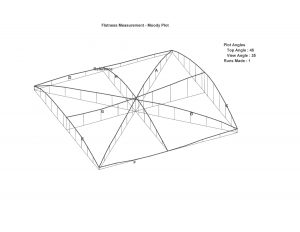
Тегиздикти текшерүүнүн 4 бекитилген ыкмасы бар. Электрондук деңгээлдер, автоколлимация, лазер жана тегиздик локатору деп аталган түзүлүш. Биз электрондук деңгээлдерди гана колдонобуз, анткени алар бир нече себептерден улам эң так жана эң ылдам ыкма.
Лазерлер жана автоколлиматорлор өтө түз жарык шооласын эталон катары колдонушат. Гранит беттик плитасынын түздүгүн өлчөө үчүн беттик плита менен жарык шооласынын ортосундагы аралыктын өзгөрүшүн салыштыруу керек. Түз жарык шооласын алып, аны чагылдыруучу бутага уруп, ошол эле учурда чагылдыруучу бутаны беттик плита боюнча ылдый жылдыруу керек, чыгарылган нур менен кайтаруучу нурдун ортосундагы аралык түздүктү өлчөө болуп саналат.
Бул ыкманын көйгөйү ушунда. Бутага жана булакка титирөө, айлана-чөйрөнүн температурасы, тегиз эмес же чийилген бута, абадагы булгануу жана абанын кыймылы (агымдар) таасир этет. Мунун баары катанын кошумча компоненттерин кошот. Андан тышкары, автоколлиматор менен текшерүүдөн оператордун катасынын салымы чоңураак.
Тажрыйбалуу автоколлиматор колдонуучусу өлчөөлөрдү абдан так жүргүзө алат, бирок өзгөчө узак аралыктарда көрсөткүчтөрдүн ырааттуулугу менен көйгөйлөргө туш болот, анткени чагылдыруулар кеңейип же бир аз бүдөмүк болуп калат. Ошондой эле, кемчиликсиз тегиз эмес бута жана линза аркылуу узак убакыт бою кароо кошумча каталарды жаратат.
Тегиздикти аныктоочу түзүлүш жөн гана акылсыздык. Бул түзүлүш бир аз түз (өтө түз коллимацияланган же лазердик жарык нуруна салыштырмалуу) жарыкты эталон катары колдонот. Механикалык түзүлүш адатта 20 мкм гана чечилиштеги индикаторду гана эмес, тилкенин жана ар кандай материалдардын түз эместиги өлчөөдөгү каталарды олуттуу түрдө көбөйтөт. Биздин оюбузча, бул ыкма кабыл алынганы менен, эч бир компетенттүү лаборатория тегиздикти аныктоочу түзүлүштү акыркы текшерүү куралы катары эч качан колдонбойт.
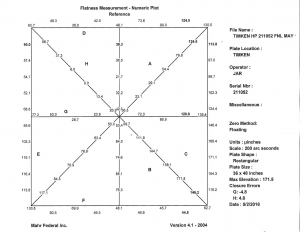
Электрондук деңгээлдер гравитацияны эталон катары колдонушат. Дифференциалдык электрондук деңгээлдерге титирөө таасир этпейт. Алардын чечилиши 0,1 жаа секундасына чейин жетет жана өлчөөлөр тез, так жүргүзүлөт жана тажрыйбалуу оператордун катасы өтө аз. Тегиздик локаторлору да, автоколлиматорлор да беттин компьютерде түзүлгөн топографиялык (1-сүрөт) же изометриялык графиктерин (2-сүрөт) бербейт.
2-сүрөт
Беттин туура тегиздигин текшерүү
Беттин тегиздигин текшерүү бул макаланын маанилүү бөлүгү болгондуктан, аны башында жазышым керек болчу. Жогоруда айтылгандай, Fed Spec. GGG-p-463c калибрлөө ыкмасы ЭМЕС. Ал метрологиялык класстагы граниттин көптөгөн аспектилери боюнча колдонмо болуп саналат, анын максаттуу сатып алуучусу кайсы бир федералдык өкмөттүк агенттик болуп саналат жана ага сыноо ыкмалары жана жол берилгендиктер же класстар кирет. Эгерде подрядчы Fed Specs талаптарын аткарганын ырастаса, анда тегиздиктин мааниси Муди ыкмасы менен аныкталат.
Муди 50-жылдары жалпы тегиздикти аныктоо жана сыналган сызыктардын багытын, алардын бир тегиздикте жетиштүү жакын жайгашкандыгын эсепке алуу үчүн математикалык ыкманы ойлоп тапкан жигит болгон. Эч нерсе өзгөргөн жок. Allied Signal математикалык ыкманы жакшыртууга аракет кылган, бирок айырмачылыктар ушунчалык кичинекей болгондуктан, аракет кылууга арзыбайт деген жыйынтыкка келген.
Эгерде беттик плитанын подрядчысы электрондук деңгээлдерди же лазерди колдонсо, ал эсептөөлөргө жардам берүү үчүн компьютерди колдонот. Компьютердин жардамысыз автоколлимацияны колдонгон техник көрсөткүчтөрдү кол менен эсептеши керек. Чындыгында, андай эмес. Бул өтө көп убакытты талап кылат жана чынын айтсам, өтө татаал болушу мүмкүн. Муди ыкмасын колдонгон тегиздик сыноосунда техник Юнион Джек конфигурациясындагы сегиз сызыкты түздүк үчүн текшерет.
Муди ыкмасы
Муди ыкмасы - сегиз сызык бир тегиздикте жайгашканын аныктоонун математикалык жолу. Болбосо, сизде бир тегиздикте же анын жанында болушу мүмкүн болгон же болбошу мүмкүн болгон 8 түз сызык бар. Андан тышкары, Fed Spec талаптарын аткарып, автоколлимацияны колдонгон подрядчы, алсөзсүзсегиз бет маалымат түзөт. Ар бир сап үчүн бир барак текшерилип, анын сыноодон, оңдоодон же экөөнөн тең өткөнүн далилдейт. Болбосо, подрядчы чыныгы тегиздиктин мааниси канча экенин билбейт.
Эгер сиз подрядчы тарабынан автоколлимацияны колдонуп, плиталарыңызды калибрлегендердин бири болсоңуз, анда ал баракчаларды эч качан көргөн эмессиз деп ишенем! 3-сүрөттө төмөнкүлөрдүн үлгүсү келтирилгенбир ганаЖалпы тегиздикти эсептөө үчүн сегиз бет талап кылынат. Билбестиктин жана кара ниеттиктин бир белгиси - отчетуңузда жакшы тегеректелген сандар болсо. Мисалы, 200, 400, 650 ж.б. Туура эсептелген маани - бул чыныгы сан. Мисалы, 325,4 u In. Подрядчы эсептөөлөрдүн Муди ыкмасын колдонгондо жана техник маанилерди кол менен эсептегенде, сиз сегиз бет эсептөөлөрдү жана изометриялык графикти алышыңыз керек. Изометриялык график ар кандай сызыктар боюнча ар кандай бийиктиктерди жана тандалган кесилишүү чекиттерин канча аралыкка бөлөрүн көрсөтөт.
3-сүрөт(Тегиздикти кол менен эсептөө үчүн ушул сыяктуу сегиз барак талап кылынат. Эгерде подрядчыңыз автоколлимацияны колдонсо, эмне үчүн муну албай жатканыңызды сурап көрүңүз!)
4-сүрөт
Өлчөм өлчөгүчтөрдүн техниктери ар бир өлчөө станциясынан экинчисине бурчтуктун мүнөттүк өзгөрүүлөрүн өлчөө үчүн артыкчылыктуу түзүлүштөр катары дифференциалдык деңгээлдерди (4-сүрөт) колдонушат. Деңгээлдердин чечилиши 0,1 жаа секундасына чейин (4 дюймдук чана менен 5 дюйм) өтө туруктуу, титирөөдөн, өлчөнгөн аралыктан, аба агымдарынан, оператордун чарчоосунан, абанын булганышынан же башка түзүлүштөргө мүнөздүү көйгөйлөрдөн жабыркабайт. Компьютердик жардамды кошсоңуз, тапшырма салыштырмалуу тез болуп, топографиялык жана изометриялык графиктерди түзүп, текшерүүнү жана эң негизгиси оңдоону далилдейт.
Туура кайталануучулук тести
Кайталап окуу же кайталануучулугу эң маанилүү сыноо болуп саналат. Кайталануучулугун текшерүү үчүн биз колдонгон жабдуулар - бул кайталап окуу үчүн аппарат, LVDT жана жогорку чечилиштеги окуулар үчүн зарыл болгон күчөткүч. Биз LVDT күчөткүчүн эң аз дегенде 10 u дюйм же жогорку тактыктагы пластиналар үчүн 5 u дюйм чечилишке койдук.
Эгерде сиз 35 u дюймдук кайталануучулук талабын текшерип жатсаңыз, 20 u дюймдук чечилиштеги механикалык индикаторду колдонуунун пайдасы жок. Индикаторлордун 40 u дюймдук белгисиздиги бар! Кайталап окуу орнотуусу бийиктик өлчөгүчтүн/бөлүктүн конфигурациясын туурайт.
Кайталануучулук жалпы тегиздик менен бирдей ЭМЕС (орточо тегиздик). Мен граниттеги кайталануучулукту ырааттуу радиусту өлчөө катары караганды жакшы көрөм.
5-сүрөт
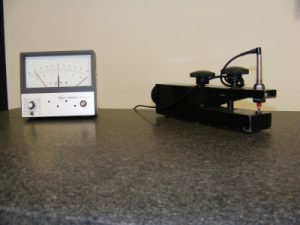
Эгер сиз тегерек шардын кайталануучулугун текшерсеңиз, анда шардын радиусу өзгөргөн жок экенин көрсөттүңүз. (Туура оңдолгон плитанын идеалдуу профили томпок таажы формасында болот.) Бирок, шар жалпак эмес экени айдан ачык. Кандайдыр бир деңгээлде. Өтө кыска аралыкта ал жалпак болот. Текшерүү иштеринин көпчүлүгү тетикке абдан жакын бийиктик өлчөгүчтү камтыгандыктан, кайталануучулук гранит плитанын эң маанилүү касиетине айланат. Колдонуучу узун бөлүктүн түздүгүн текшербесе, жалпы жалпактык маанилүүрөөк.
Подрядчыңыз кайталап окуу сыноосун жүргүзөрүн текшериңиз. Пластинада кайталап окуу чыдамдуулуктан бир топ ашып кетиши мүмкүн, бирок ошого карабастан тегиздик сыноосунан өтө алат! Таң калыштуусу, лаборатория кайталап окуу сыноосун камтыбаган сыноодо аккредитация ала алат. Оңдой албаган же оңдоодо анчалык жакшы эмес лаборатория тегиздик сыноосун гана жүргүзүүнү артык көрөт. Пластинаны жылдырмайынча, тегиздик сейрек өзгөрөт.
Кайталап окууну текшерүү эң оңой, бирок аны тегиздөөдө аткаруу эң кыйын. Подрядчыңыз бетти "бузбастан" же бетинде толкундарды калтырбастан кайталануучулукту калыбына келтире аларын текшериңиз.
Дельта Т тести
Бул сыноо таштын үстүнкү жана астыңкы беттериндеги ЧЫНЫГЫ температурасын өлчөөнү жана сертификатта отчет берүү үчүн айырмачылыкты, Дельта Тны, эсептөөнү камтыйт.
Граниттеги жылуулук кеңейүүнүн орточо коэффициенти 3,5 uIn/дюйм/градус экенин билүү маанилүү. Айлана-чөйрөнүн температурасынын жана нымдуулугунун гранит плитасына тийгизген таасири анча чоң эмес. Бирок, беттик плита 0,3 – 0,5 градус Фаренгейт Дельта Т температурада да толеранттуулуктан чыгып кетиши же кээде жакшырышы мүмкүн. Дельта Т акыркы калибрлөөдөн айырмаланган 0,12 градус Фаренгейттин чегиндеби же жокпу, билүү зарыл.
Ошондой эле, плиталардын жумушчу бети ысыкка карай жылышаарын билүү маанилүү. Эгерде үстүнкү температура астыңкыдан жылуураак болсо, анда үстүнкү бети көтөрүлөт. Эгерде астыңкы бети жылуураак болсо, бул сейрек кездешет, анда үстүнкү бети чөгөт. Сапат менеджери же техник үчүн плитанын калибрлөө же оңдоо учурунда жалпак жана кайталануучу экенин билүү жетишсиз, бирок акыркы калибрлөө сыноосу учурунда анын Delta T кандай болгонун билүү жетишсиз. Кыйын кырдаалдарда колдонуучу Delta T өлчөө менен плитанын Delta T өзгөрүүлөрүнөн улам гана толеранттуулуктан чыгып кеткенин аныктай алат. Бактыга жараша, гранит айлана-чөйрөгө көнүү үчүн көп сааттар же ал тургай күндөр талап кылынат. Күн бою айлана-чөйрөнүн температурасынын анча чоң эмес өзгөрүүлөрү ага таасир этпейт. Ушул себептерден улам, биз айлана-чөйрөнүн калибрлөө температурасы же нымдуулугу жөнүндө билдирбейбиз, анткени таасири анча чоң эмес.
Гранит плитасынын эскириши
Гранит болот плиталарга караганда катуураак болгону менен, граниттин бетинде дагы эле жапыз тактар пайда болот. Беттик плитадагы тетиктердин жана өлчөгүчтөрдүн кайталануучу кыймылы эскирүүнүн эң чоң булагы болуп саналат, айрыкча, бир эле аймак дайыма колдонулуп турса. Пластинанын бетинде калууга уруксат берилген кир жана майдалоочу чаң тетиктердин же өлчөгүчтөрдүн жана гранит бетинин ортосуна киргенде эскирүү процессин тездетет. Тетиктерди жана өлчөгүчтөрдү анын бети боюнча жылдырганда, адатта, абразивдүү чаң кошумча эскирүүнүн себеби болуп саналат. Эскирүүнү азайтуу үчүн мен дайыма тазалоону сунуштайм. Пластиналардагы эскирүүнү күн сайын UPS пакеттеринин плиталардын үстүнө коюлушунан улам көрдүк! Эскирүүнүн бул жергиликтүү жерлери калибрлөөнүн кайталануучулугун текшерүү көрсөткүчтөрүнө таасир этет. Эскирүүнүн алдын алуу үчүн үзгүлтүксүз тазалап туруңуз.
Гранит плиталарын тазалоо
Тарелканы таза кармоо үчүн, кумдарды кетирүү үчүн жабышчаак чүпүрөктү колдонуңуз. Желимдин калдыктарын калтырбоо үчүн өтө жеңил басыңыз. Жакшы колдонулган жабышчаак чүпүрөк тазалоонун ортосунда майдаланган чаңды эң сонун чогултат. Бир эле жерде иштебеңиз. Орнотууну тарелканын айланасына жылдырып, эскирүүнү бөлүштүрүңүз. Тарелканы тазалоо үчүн спирт колдонууга болот, бирок бул бетти убактылуу муздатып жиберерин эске алыңыз. Аз өлчөмдөгү самын кошулган суу эң сонун. Starrett's тазалагычы сыяктуу коммерциялык жактан сатылуучу тазалоочу каражаттарды да колдонуу эң сонун, бирок бетинен самындын калдыктарын толугу менен кетириңиз.
Гранит плитасын оңдоо
Беттик плита подрядчыңыздын компетенттүү калибрлөөнү жүргүзүшү маанилүүлүгү азыртан эле айкын болушу керек. "Баарын бир чалуу менен жаса" программаларын сунуштаган "Клиринг үйү" тибиндеги лабораторияларда оңдоо иштерин жүргүзө ала турган техник сейрек кездешет. Алар оңдоо иштерин сунуштаса да, беттик плита чыдамдуулуктан бир топ ашып кеткенде, аларда дайыма эле керектүү тажрыйбага ээ техник боло бербейт.
Эгерде сизге плитанын өтө эскиргендигинен улам оңдоого мүмкүн эместиги айтылса, бизге чалыңыз. Кыязы, биз оңдой алабыз.
Биздин техниктер бир жылдан бир жарым жылга чейинки мөөнөткө үстүнкү беттик пластина технигинин жетекчилиги астында шакирттик практикада иштешет. Биз үстүнкү беттик пластина технигин үстүнкү беттик пластинаны калибрлөө жана оңдоо боюнча он жылдан ашык кошумча тажрыйбасы бар адам катары аныктайбыз. Dimensional Gauge компаниясында жалпысынан 60 жылдан ашык тажрыйбасы бар үч үстүнкү техник бар. Биздин үстүнкү техниктерибиздин бири кыйын кырдаалдар пайда болгондо колдоо жана жетекчилик үчүн ар дайым даяр. Биздин бардык техниктерибиз кичинекейден абдан чоңго чейинки ар кандай өлчөмдөгү үстүнкү пластиналарды калибрлөө, ар кандай экологиялык шарттар, ар кандай тармактар жана эскирүүнүн олуттуу көйгөйлөрү боюнча тажрыйбага ээ.
Fed Specs компаниясынын орточо арифметикалык оройлугу (AA) 16дан 64кө чейинки атайын бүтүрүү талабы бар. Биз 30-35 AA диапазонундагы бүтүрүүнү артык көрөбүз. Тетиктердин жана өлчөгүчтөрдүн жылмакай кыймылдашын жана беттик плитага жабышып же кысылып калбашы үчүн жетиштүү оройлук болушу керек.
Оңдоп жатканда биз плитанын туура орнотулушун жана тегиздигин текшеребиз. Биз кургак тегиздөө ыкмасын колдонобуз, бирок гранитти олуттуу түрдө алып салууну талап кылган өтө эскирген учурларда, биз нымдуу тегиздейбиз. Биздин техниктер өздөрү тазалашат, алар кылдат, тез жана так иштешет. Бул маанилүү, анткени гранит плитасын тейлөөнүн баасына сиздин иштебей калууңуз жана өндүрүштүн жоголушу кирет. Компетенттүү оңдоо өтө маанилүү жана сиз эч качан подрядчыны баасына же ыңгайлуулугуна карап тандабаңыз. Айрым калибрлөө иштери жогорку квалификациялуу адистерди талап кылат. Бизде андай мүмкүнчүлүк бар.
Акыркы калибрлөө отчеттору
Ар бир беттик плитаны оңдоо жана калибрлөө үчүн биз деталдуу кесипкөй отчетторду беребиз. Биздин отчеттордо маанилүү жана тиешелүү маалыматтардын олуттуу көлөмү камтылган. Fed Spec. биз берген маалыматтын көпчүлүгүн талап кылат. ISO/IEC-17025 сыяктуу башка сапат стандарттарында камтылгандарды кошпогондо, минималдуу Fed. Отчеттор үчүн спецификациялар:
- Өлчөмү (фут менен) (X' x X')
- Түс
- Стиль (Кысуучу кырлардын жоктугун же эки же төрт кырдын бар экендигин билдирет)
- Серпилгичтиктин болжолдуу модулу
- Орточо тегиздикке чыдамдуулук (класс/өлчөм менен аныкталат)
- Кайталап окуу Толеранттуулук (диагоналдык узундук дюйм менен аныкталат)
- Табылган орточо тегиздик
- Сол жактагы орточо тегиздик
- Табылгандай кайталап окуу
- Сол жактагыдай окууну кайталаңыз
- Дельта Т (үстүнкү жана астыңкы беттердин ортосундагы температура айырмасы)
Эгерде техник беттик плитаны тегиздөө же оңдоо иштерин жүргүзүүсү керек болсо, анда оңдоонун жарактуулугун далилдөө үчүн калибрлөө сертификатына топографиялык же изометриялык график тиркелет.
ISO/IEC-17025 аккредитациялары жана аларга ээ болгон лабораториялар жөнүндө сөз
Лабораториянын беттик плитаны калибрлөө боюнча аккредитациясы бар экендиги, алар эмне кылып жатканын билишет дегенди билдирбейт, ал тургай аны туура жасашат дегенди билдирбейт! Ошондой эле, бул лаборатория оңдой алат дегенди да билдирбейт. Аккредитациялоочу органдар текшерүү менен калибрлөөнүн (оңдоонун) ортосундагы айырмачылыкты көрсөтүшпөйт.Aжана мен бирөөсүн билем, балким2аккредитациялоочу органдарLтең чыгууAЭгер мен аларга жетиштүү акча төлөсөм, итимди лента менен байлап коюшту! Бул өкүнүчтүү факт. Мен лабораториялардын талап кылынган үч тесттин бирин гана жүргүзүү менен аккредитация алганын көрдүм. Андан тышкары, мен лабораториялардын реалдуу эмес белгисиздиктер менен аккредитация алып, эч кандай далилсиз же көрсөткүчтөрдү кантип эсептегенин көрсөтпөстөн аккредитацияланганын көрдүм. Мунун баары өкүнүчтүү.
Жыйынтыктоо
Так гранит плиталарынын ролун баалабай коюуга болбойт. Гранит плиталары камсыз кылган тегиздик - бул башка бардык өлчөөлөрдү жасоонун пайдубалы.
Сиз эң заманбап, эң так жана эң ар тараптуу өлчөөчү шаймандарды колдоно аласыз. Бирок, эгерде эталондук бет тегиз эмес болсо, так өлчөөлөрдү аныктоо кыйын. Бир жолу мага потенциалдуу кардар: "Бул жөн гана таш!" - деп айткан. Менин жообум: "Макул, сиз туура айтасыз жана сиз беттик плиталарыңызды тейлөө үчүн адистердин келишин эч качан актай албайсыз".
Баа беттик плиталарды жасоочу подрядчыларды тандоо үчүн эч качан жакшы себеп боло албайт. Сатып алуучулар, бухгалтерлер жана көптөгөн сапаттуу инженерлер гранит плиталарын кайра сертификациялоо микрометрди, суппортту же DMMди кайра сертификациялоого окшош эмес экенин дайыма эле түшүнө беришпейт.
Айрым аспаптар арзан бааны эмес, кесипкөйлүктү талап кылат. Бирок, биздин бааларыбыз абдан акылга сыярлык. Айрыкча, биз ишти туура аткарып жатканыбызга ишенгенибиз үчүн. Кошумча баалуулук жагынан биз ISO-17025 жана Федералдык спецификациялардын талаптарынан алда канча ашып түшөбүз.
Беттик плиталар көптөгөн өлчөмдүү өлчөөлөрдүн негизи болуп саналат жана өлчөөнүн тактыгын камсыз кылуу үчүн беттик плитага туура кам көрүү зарыл.
Гранит беттик катуулугу жана температуранын өзгөрүшүнө төмөн сезгичтиги сыяктуу идеалдуу физикалык мүнөздөмөлөрүнөн улам беттик плиталар үчүн эң популярдуу материал болуп саналат. Бирок, аны үзгүлтүксүз колдонуу менен беттик плиталар эскирет.
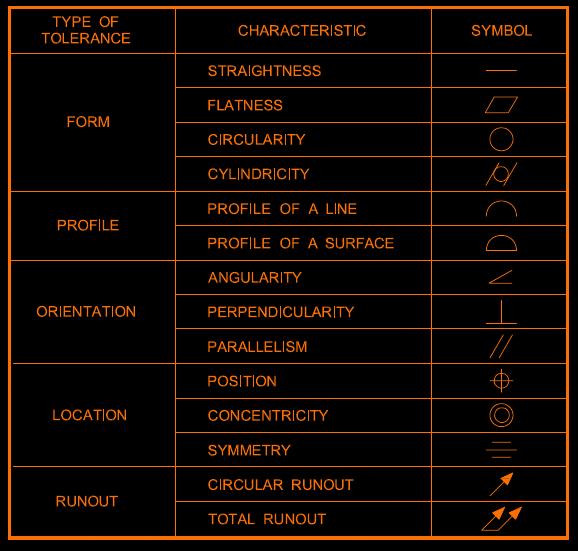
Тегиздик жана кайталануучулук - бул плитанын так өлчөөлөрдү алуу үчүн так бетти камсыз кылаарын же бербей турганын аныктоо үчүн маанилүү аспектилер. Эки аспект үчүн тең толеранттуулуктар GGG-P-463C, DIN, GB, JJS федералдык спецификациясында аныкталган... Тегиздик - бул плитанын эң жогорку чекити (чатыр тегиздиги) менен эң төмөнкү чекитинин (негизги тегиздик) ортосундагы аралыкты өлчөө. Кайталануучулук бир аймактан алынган өлчөө бүтүндөй плита боюнча көрсөтүлгөн толеранттуулуктун чегинде кайталанышы мүмкүнбү же жокпу, аныктайт. Бул плитада чокулар же өрөөндөр болбошун камсыздайт. Эгерде көрсөткүчтөр көрсөтүлгөн көрсөтмөлөрдүн чегинде болбосо, анда өлчөөлөрдү спецификацияга кайтаруу үчүн кайра бетин жабуу талап кылынышы мүмкүн.
Беттик плитанын тегиздигин жана кайталанышын камсыз кылуу үчүн үзгүлтүксүз беттик плитаны калибрлөө зарыл. Cross компаниясынын так өлчөө тобу беттик плитанын тегиздигин жана кайталанышын калибрлөө үчүн ISO 17025 аккредитациясына ээ. Биз Mahr беттик плитасын сертификациялоо системасын колдонобуз, анын өзгөчөлүктөрү:
- Moody жана профилди талдоо,
- Изометриялык же сандык графиктер,
- Көптүк чуркоо орточосу жана
- Тармактык стандарттарга ылайык автоматтык түрдө баалоо.
Mahr компьютердик жардамы менен жасалган модели абсолюттук деңгээлден бурчтук же сызыктуу четтөөнү аныктайт жана беттик плиталардын өтө так профилин түзүү үчүн идеалдуу.
Калибрлөөлөрдүн ортосундагы аралыктар колдонуу жыштыгына, плита жайгашкан айлана-чөйрөнүн шарттарына жана компанияңыздын сапатка болгон өзгөчө талаптарына жараша өзгөрүп турат. Беттик плитаңызды туура тейлөө ар бир калибрлөөнүн ортосундагы аралыкты узартууга мүмкүндүк берет, кайталап чаптоонун кошумча чыгымдарынан качууга жардам берет жана эң негизгиси, плитада алган өлчөөлөрүңүздүн мүмкүн болушунча так болушун камсыздайт. Беттик плиталар бекем көрүнгөнү менен, алар так аспаптар жана аларга ошондой мамиле кылуу керек. Беттик плиталарыңызга кам көрүү боюнча эске алуу керек болгон кээ бир нерселер:
- Тарелканы таза кармаңыз, мүмкүн болсо, колдонулбай турганда үстүн жаап коюңуз
- Тарелкага өлчөөчү аспаптардан же ченөөчү бөлүктөрдөн башка эч нерсе коюлбашы керек.
- Тарелкадагы бир эле жерди ар дайым колдонбоңуз.
- Мүмкүн болсо, плитаны мезгил-мезгили менен айландырып туруңуз.
- Пластинанын жүк чегин сактаңыз
Так гранит негизи станоктордун иштешин жакшырта алат
Жалпысынан машина курууда жана өзгөчө станок курууда талаптар тынымсыз өсүп жатат. Бааларды көбөйтпөстөн максималдуу тактыкка жана иштөө көрсөткүчтөрүнө жетүү атаандаштыкка жөндөмдүүлүктүн дайыма кыйынчылыгы болуп саналат. Станоктун платформасы бул жерде чечүүчү фактор болуп саналат. Ошондуктан, барган сайын көбүрөөк станок өндүрүүчүлөр гранитке таянып жатышат. Физикалык параметрлеринен улам, ал болот же полимер-бетон менен жетишүүгө мүмкүн болбогон айкын артыкчылыктарды сунуштайт.
Гранит - бул вулкандык терең тек деп аталат жана өтө тыгыз жана бир тектүү түзүлүшкө ээ, кеңейүү коэффициенти өтө төмөн, жылуулук өткөрүмдүүлүгү төмөн жана термелүүнү басуучу жогорку деминфицитке ээ.
Төмөндө граниттин негизинен жогорку класстагы координата өлчөөчү машиналар үчүн негиз катары гана ылайыктуу деген жалпы пикир эмне үчүн эскиргенин жана эмне үчүн бул табигый материал станоктун негизи катары жогорку тактыктагы станоктор үчүн да болоттон же чоюндан алда канча пайдалуу альтернатива экенин биле аласыз.
Биз динамикалык кыймыл үчүн гранит компоненттерин, сызыктуу моторлор үчүн гранит компоненттерин, ndt үчүн гранит компоненттерин, рентген үчүн гранит компоненттерин, cmm үчүн гранит компоненттерин, cnc үчүн гранит компоненттерин, лазер үчүн гранит тактыгын, аэрокосмос үчүн гранит компоненттерин, так этаптар үчүн гранит компоненттерин өндүрө алабыз...
Кошумча чыгымдарсыз жогорку кошумча нарк
Машина курууда граниттин колдонулушунун көбөйүшү болоттун баасынын кескин өсүшүнө байланыштуу эмес. Тескерисинче, граниттен жасалган станоктун кошумча наркы өтө аз же эч кандай кошумча чыгым менен жетишилгендиктен улам келип чыгат. Бул Германиядагы жана Европадагы белгилүү станок өндүрүүчүлөрүнүн бааларды салыштыруусу менен далилденет.
Граниттин жардамы менен мүмкүн болгон термодинамикалык туруктуулуктун, титирөөнү басуунун жана узак мөөнөттүү тактыктын олуттуу өсүшүнө чоюн же болот төшөк менен же салыштырмалуу жогорку баада гана жетишүүгө болбойт. Мисалы, жылуулук каталары машинанын жалпы катасынын 75% га чейин түзүшү мүмкүн, ал эми компенсация көбүнчө программалык камсыздоо менен жасалат - орточо ийгилик менен. Жылуулук өткөрүмдүүлүгү төмөн болгондуктан, гранит узак мөөнөттүү тактык үчүн эң жакшы негиз болуп саналат.
1 мкм чыдамкайлык менен гранит DIN 876 стандартына ылайык 00 тактык даражасы боюнча тегиздик талаптарына оңой жооп берет. 1ден 10го чейинки катуулук шкаласы боюнча 6 мааниси менен ал өтө катуу жана 2,8 г/см³ салыштырма салмагы менен дээрлик алюминийдин маанисине жетет. Бул ошондой эле кесүүчү станоктор үчүн жогорку берүү ылдамдыгы, жогорку октук ылдамдануу жана шаймандын иштөө мөөнөтүн узартуу сыяктуу кошумча артыкчылыктарга алып келет. Ошентип, куюлган платформадан гранит станок платформасына өтүү тиешелүү станокту тактык жана иштөө жагынан жогорку класска - кошумча чыгымсыз - алып келет.
Граниттин экологиялык изи жакшырды
Болот же чоюн сыяктуу материалдардан айырмаланып, табигый ташты көп энергия менен жана кошумчаларды колдонуу менен өндүрүүнүн кажети жок. Карьерлерди казуу жана беттик иштетүү үчүн салыштырмалуу аз гана энергия талап кылынат. Бул жогорку экологиялык из калтырат, ал машинанын иштөө мөөнөтү аяктаганда да болоттон материал катары ашып түшөт. Гранит катмары жаңы машинанын негизи болушу мүмкүн же жол куруу үчүн майдалоо сыяктуу таптакыр башка максаттарда колдонулушу мүмкүн.
Гранит үчүн ресурстардын жетишсиздиги да жок. Бул жер кыртышынын ичиндеги магмадан пайда болгон терең тек. Ал миллиондогон жылдар бою "жетилген" жана дээрлик бардык континенттерде, анын ичинде бүткүл Европада жаратылыш ресурсу катары абдан көп санда кездешет.
Корутунду: Граниттин болотко же чоюнга салыштырмалуу көптөгөн далилденген артыкчылыктары механикалык инженерлердин бул табигый материалды жогорку тактыктагы, жогорку өндүрүмдүү станоктордун негизи катары колдонууга болгон даярдыгынын өсүшүн негиздейт. Станоктор жана механикалык инженерия үчүн пайдалуу болгон граниттин касиеттери жөнүндө кеңири маалыматты ушул макаладан тапса болот.
Кайталап өлчөө - бул жергиликтүү тегиздик аянттарын өлчөө. Кайталап өлчөө спецификациясында плитанын бетинин каалаган жеринде жүргүзүлгөн өлчөө көрсөтүлгөн толеранттуулуктун чегинде кайталанаары айтылат. Жергиликтүү аймактын тегиздигин жалпы тегиздиктен катуураак көзөмөлдөө беттин тегиздик профилинин акырындык менен өзгөрүшүн кепилдейт, ошону менен жергиликтүү каталарды азайтат.
Көпчүлүк өндүрүүчүлөр, анын ичинде импорттолгон бренддер, жалпы тегиздикке жол бербөөнүн Федералдык спецификациясын карманышат, бирок көбү кайталап өлчөөлөрдү этибарга алышпайт. Бүгүнкү күндө рынокто бар болгон арзан же бюджеттик плиталардын көбү кайталап өлчөөлөрдү кепилдебейт. Кайталап өлчөөлөрдү кепилдебеген өндүрүүчү ASME B89.3.7-2013 же Федералдык спецификация GGG-P-463c, же DIN 876, GB, JJS талаптарына жооп берген плиталарды ЧЫГАРБАЙТ...
Так өлчөөлөр үчүн беттин тактыгын камсыз кылуу үчүн экөө тең абдан маанилүү. Жалпактыктын спецификациясы гана өлчөөнүн тактыгына кепилдик берүү үчүн жетишсиз. Мисал катары, 0,000300 дюймдук жалпактык спецификациясына ГАНА жооп берген 36 X 48 текшерүү классындагы А беттик пластинасын алалы. Эгерде текшерилип жаткан бөлүк бир нече чокуларды көпүрө менен каптап, колдонулуп жаткан өлчөөчү аспап төмөн жерде болсо, өлчөө катасы бир аймактагы толук жол берилген чекке, 000300 дюймга, жетиши мүмкүн! Чындыгында, эгер өлчөөчү аспап жантайыңкы жерде турса, ал алда канча жогору болушу мүмкүн.
Жантайыштын оордугуна жана колдонулуп жаткан өлчөгүчтүн ийнинин узундугуна жараша .000600"-.000800" каталары болушу мүмкүн. Эгерде бул пластинада .000050"FIR кайталап өлчөө спецификациясы болсо, анда өлчөө пластинанын кайсы жеринде жүргүзүлгөнүнө карабастан, өлчөө катасы .000050" аз болмок. Дагы бир көйгөй, адатта, даярдыгы жок техник пластинаны жеринде кайра жабууга аракет кылганда пайда болот, бул пластинаны ырастоо үчүн кайталап өлчөөлөрдү гана колдонуу.
Кайталануучулугун текшерүү үчүн колдонулган аспаптар жалпы тегиздикти текшерүү үчүн иштелип чыккан ЭМЕС. Ичке ийилген бетке нөлгө коюлганда, алар нөлдү көрсөтө беришет, ал бет кемчиликсиз тегизби же кемчиликсиз оюк же томпок 1/2 дюймбу! Алар жөн гана беттин бирдейлигин текшеришет, тегиздигин эмес. Тегиздиктин спецификациясына ЖАНА кайталап өлчөө спецификациясына жооп берген пластина гана ASME B89.3.7-2013 же GGG-P-463c федералдык спецификациясынын талаптарына чындап жооп берет.
Ask us about or flatness specification and repeat measurement promise by calling +86 19969991659 or emailing INFO@ZHHIMG.COM
Ооба, бирок алар белгилүү бир вертикалдык температура градиенти үчүн гана кепилдениши мүмкүн. Эгерде градиент өзгөрсө, плитага жылуулук кеңейишинин таасири толеранттуулуктан жогору тактыктын өзгөрүшүнө алып келиши мүмкүн. Айрым учурларда, эгерде толеранттуулук жетиштүү деңгээлде болсо, үстүнкү жарыктан сиңирилген жылуулук бир нече сааттын ичинде градиенттин жетиштүү өзгөрүшүнө алып келиши мүмкүн.
Граниттин жылуулук кеңейүү коэффициенти 1°F үчүн дюймга болжол менен 0,0000035 дюймду түзөт. Мисал катары: 36" x 48" x 8" беттик плитанын тактыгы 0°F градиентинде 0,000075" (AA классынын 1/2), үстүнкү жана астыңкы температура бирдей. Эгерде плитанын үстүнкү бөлүгү астыңкы бөлүгүнөн 1°F жылуураак болгонго чейин жылыса, тактык 0,000275" томпокко өзгөрөт! Ошондуктан, лабораториялык AA классынан жогору чыдамдуулукка ээ плитага заказ берүү жетиштүү климаттык көзөмөл болгондо гана каралышы керек.
Беттик плита 3 чекиттен таяныч алышы керек, идеалдуу түрдө плитанын учтарынан узундугунун 20% алыстыкта жайгашышы керек. Эки таяныч узун капталдарынан туурасынын 20% алыстыкта жайгашышы керек, ал эми калган таяныч борбордо болушу керек. Так беттен башкасынын үстүнө 3 чекит гана бекем орношо алат.
Пластинаны өндүрүү учурунда ушул чекиттерде кармап туруу керек, ал эми колдонуу учурунда ушул үч чекитте гана кармап туруу керек. Пластинаны үчтөн ашык чекитте кармап турууга аракет кылуу плитанын үч чекиттин ар кандай айкалыштарынан колдоо алышына алып келет, бул өндүрүш учурунда таянып турган 3 чекит менен бирдей болбойт. Бул плита жаңы таяныч түзүлүшүнө ылайыкташуу үчүн бурулуп кеткенде каталарды жаратат. Бардык zhhimg болот таянычтарында тиешелүү таяныч чекиттери менен бир сызыкта болуу үчүн иштелип чыккан таяныч устундары бар.
Эгерде пластина туура тирелсе, аны так тегиздөө талап кылынган учурда гана зарыл. Туура тирелген пластинанын тактыгын сактоо үчүн тегиздөөнүн кажети жок.
Эмне үчүн гранитти тандашыңыз керекМашина базаларыжанаМетрология компоненттери?
Жооп дээрлик ар бир колдонуу үчүн "ооба". Граниттин артыкчылыктары төмөнкүлөрдү камтыйт: дат баспайт же коррозияга дуушар болбойт, дээрлик кыйшайбайт, кесилгенде компенсациялык өркөчтүн жоктугу, узак мөөнөттүү эскирүү мөөнөтү, жылмакай иштөө, жогорку тактык, дээрлик магниттик эмес, жылуулук кеңейүүсүнүн төмөн коэффициенти жана тейлөөнүн төмөн баасы.
Гранит - бул өзгөчө бекемдиги, тыгыздыгы, бышыктыгы жана коррозияга туруктуулугу үчүн казылып алынган магмалык тектин бир түрү. Бирок гранит ошондой эле абдан ар тараптуу - ал жөн гана квадраттар жана тик бурчтуктар үчүн эмес! Чындыгында, Starrett Tru-Stone ар кандай вариациялардын формаларында, бурчтарында жана ийри сызыктарында жасалган гранит компоненттери менен үзгүлтүксүз негизде ишенимдүү иштейт - эң сонун натыйжаларга жетишет.
Биздин заманбап иштетүү технологиябыздын аркасында кесилген беттер өзгөчө жалпак боло алат. Бул сапаттар гранитти машинанын негиздерин жана метрологиялык компоненттерин өзгөчө өлчөмдө жана өзгөчө дизайнда түзүү үчүн идеалдуу материалга айлантат. Гранит:
машина менен иштетүүгө боло турган
кесилгенде жана бүткөндө так жалпак
дат басууга туруктуу
бышык
узак мөөнөттүү
Граниттин компоненттерин тазалоо да оңой. Жекече дизайндарды түзүүдө, анын артыкчылыктары үчүн гранитти тандап алууну унутпаңыз.
СТАНДАРТТАР/ КИЙИМДҮҮЛҮКТӨРДҮН КОЛДОНУЛУШУ
ZhongHui компаниясы стандарттуу беттик плиталар үчүн колдонгон граниттин курамында кварцтын курамы жогору, бул эскирүүгө жана бузулууга туруктуулукту жогорулатат. Биздин жогорку сапаттагы кара жана хрусталь кызгылт түстөрүбүз сууну сиңирүү деңгээли төмөн, бул сиздин так өлчөгүчтөрүңүздүн плиталарга орнотулганда дат басып кетүү мүмкүнчүлүгүн азайтат. ZhongHui компаниясы сунуштаган граниттин түстөрү азыраак жаркыроого алып келет, бул плиталарды колдонгон адамдардын көзүнүн чарчоосун азайтат. Бул аспектти минималдуу кармоо үчүн биз гранит түрлөрүн жылуулук менен кеңейүүнү эске алуу менен тандап алдык.
ЖЕКЕЧЕ ТИРКЕМЕЛЕР
Эгерде сиздин колдонмоңузда жекече формадагы, бурама кошулмалары бар, оюктары бар же башка иштетүү ыкмалары бар пластина талап кылынса, сиз Black Diabase сыяктуу материалды тандашыңыз керек. Бул табигый материал жогорку катуулукту, мыкты титирөөнү басууну жана жакшыртылган иштетүү мүмкүнчүлүгүн сунуштайт.
Ооба, эгерде алар өтө катуу эскирбесе. Биздин заводдук орнотуулар жана жабдуулар зарыл болгон учурда плитаны туура калибрлөө жана кайра иштетүү үчүн оптималдуу шарттарды түзөт. Жалпысынан алганда, эгер плита талап кылынган толеранттуулуктун 0,001 дюйм чегинде болсо, аны ошол жерде кайра жабууга болот. Эгерде плита толеранттуулуктун чегинен 0,001 дюймдан ашык эскирсе же ал начар чуңкурланган же тытылган болсо, анда аны кайра жабуудан мурун заводго майдалоо үчүн жөнөтүү керек болот.
Жеринде калибрлөө жана бетин жаңыртуу боюнча техникти тандоодо өтө кылдаттык менен мамиле кылуу керек. Калибрлөө кызматын тандоодо этият болууга чакырабыз. Аккредитация сурап, техник колдоно турган жабдуулардын Улуттук инспекция мекемеси тарабынан көзөмөлдөнүүчү калибрлөөсү бар экенин текшериңиз. Так гранитти кантип туура тегиздөөнү үйрөнүү үчүн көп жылдар талап кылынат.
ZhongHui биздин заводдо жүргүзүлгөн калибрлөөлөрдү тез арада камсыз кылат. Мүмкүн болсо, плиталарыңызды калибрлөө үчүн жөнөтүңүз. Сиздин сапатыңыз жана кадыр-баркыңыз өлчөөчү аспаптарыңыздын, анын ичинде беттик плиталардын тактыгынан көз каранды!
Биздин кара беттик плиталарыбыздын тыгыздыгы бир топ жогору жана үч эсеге чейин катуу. Ошондуктан, карадан жасалган плитанын майышууга бирдей же андан көп каршылык көрсөтүү үчүн бирдей өлчөмдөгү гранит плитасындай калың болушу шарт эмес. Калыңдыгынын азайышы салмактын азайышын жана жеткирүү чыгымдарынын төмөндөшүн билдирет.
Ошол эле калыңдыктагы сапатсыз кара гранитти колдонгондордон сак болуңуз. Жогоруда айтылгандай, жыгач же металл сыяктуу граниттин касиеттери материалга жана түскө жараша өзгөрүп турат жана катуулугун, катуулугун же эскирүүгө туруктуулугун так алдын ала айтууга болбойт. Чындыгында, кара граниттин жана диабаздын көптөгөн түрлөрү өтө жумшак жана беттик плиталарды колдонууга ылайыктуу эмес.
Жок. Бул буюмдарды кайра иштетүү үчүн зарыл болгон атайын жабдуулар жана окутуу аларды калибрлөө жана кайра иштетүү үчүн заводго кайтарууну талап кылат.
Ооба. Керамика менен граниттин мүнөздөмөлөрү окшош, жана гранитти калибрлөө жана тегиздөө үчүн колдонулган ыкмаларды керамикалык буюмдар менен да колдонсо болот. Керамиканы гранитке караганда тегиздөө кыйыныраак, бул анын баасын жогорулатат.
Ооба, эгерде кошумчалар беттин астына оюк болсо. Эгерде болот кошумчалар беттин тегиздиги менен бир тегиздикте же андан жогору болсо, анда аларды пластинаны тегиздөөдөн мурун ылдый каратып коюу керек. Зарыл болсо, биз ал кызматты көрсөтө алабыз.
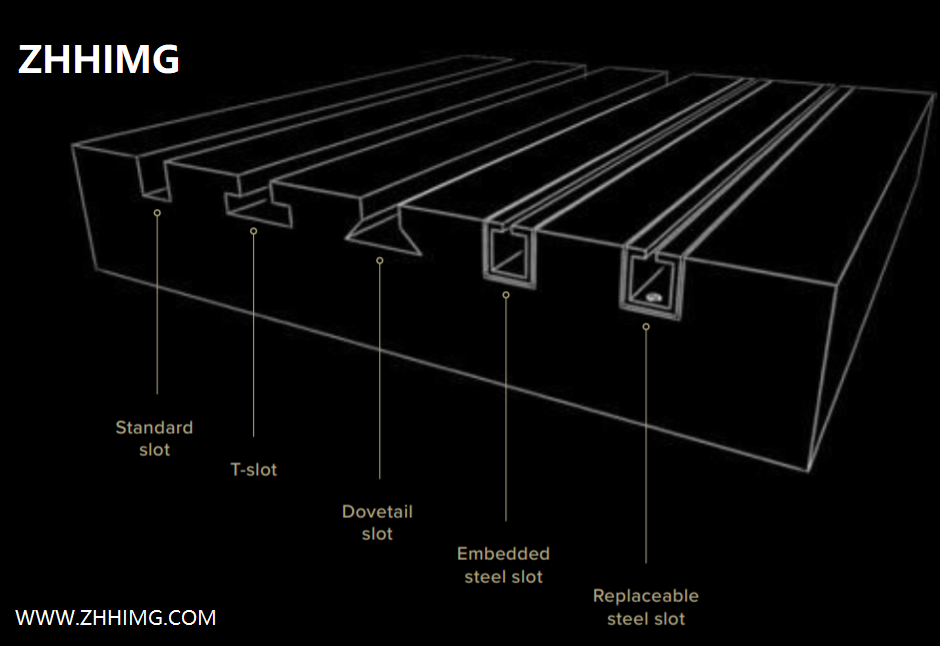
Ооба. Каалаган жиби (англисче же метрикалык) бар болоттон жасалган кошумчаларды каалаган жерлерде пластинага эпоксиддик чаптоого болот. ZhongHui компаниясы +/- 0,005 дюймдук эң тыгыз кошумчаларды камсыз кылуу үчүн CNC станокторун колдонот. Анча маанилүү эмес кошумчалар үчүн, биздин жиптүү кошумчалар үчүн жайгашкан жерге карата толеранттуулугубуз ± 0,060 дюймду түзөт. Башка варианттарга болоттон жасалган Т-тилкелери жана гранитке түз иштетилген "көгүчкөн куйруктуу" уячалары кирет.
Жогорку бекемдиктеги эпоксиддик чайыр менен туура бириктирилген жана жакшы чеберчилик менен жасалган кыстармалар көп буроо жана кесүү күчүнө туруштук берет. Жакында эле 3/8"-16 бурамалуу кыстармаларды колдонуу менен жүргүзүлгөн сыноодо көз карандысыз сыноо лабораториясы эпоксиддик чайыр менен бириктирилген кыстарманы беттик плитадан сууруп алуу үчүн талап кылынган күчтү өлчөдү. Он плита сыналган. Бул он учурдун ичинен тогуз учурда гранит биринчи болуп сынган. Сынган жериндеги орточо жүк боз гранит үчүн 10 020 фунт жана кара гранит үчүн 12 310 фунт болгон. Пластинкадан сууруп алынган кыстармада сынган жериндеги жүк 12 990 фунт болгон! Эгерде жумуш бөлүгү кыстарма аркылуу көпүрө түзүп, өтө чоң момент берилсе, гранитти сындыруу үчүн жетиштүү күч пайда болушу мүмкүн. Ушул себептен улам, ZhongHui эпоксиддик чайыр менен бириктирилген кыстармаларга колдонула турган максималдуу коопсуз момент боюнча көрсөтмөлөрдү берет: https://www.zhhimg.com/standard-thread-inserts-product/
Ооба, бирок биздин заводдо гана. Биздин заводдо биз дээрлик бардык плиталарды "жаңыдай" абалга келтире алабыз, адатта аларды алмаштыруунун баасынын жарымынан азыраак. Бузулган четтерин косметикалык жактан жамап, терең оюктарды, жаракаларды жана чуңкурларды майдалап, бекитилген таянычтарды алмаштырууга болот. Мындан тышкары, биз сиздин талаптарыңызга ылайык, катуу же жиптүү болоттон жасалган кошумчаларды кошуу жана оюктарды же кысуучу эриндерди кесүү менен плитаңыздын ар тараптуулугун жогорулатуу үчүн өзгөртө алабыз.
Эмне үчүн гранитти тандаш керек?
Гранит – миллиондогон жылдар мурун Жерде пайда болгон магмалык тектин бир түрү. Магмалык тектин курамында өтө катуу жана эскирүүгө туруктуу кварц сыяктуу көптөгөн минералдар бар. Катуулугунан жана эскирүүгө туруктуулугунан тышкары, граниттин кеңейүү коэффициенти чоюнга караганда болжол менен эки эсе аз. Анын көлөмдүк салмагы чоюндун салмагынын үчтөн бир бөлүгүн түзгөндүктөн, гранитти башкаруу оңой.
Машиналардын негиздери жана метрологиялык компоненттер үчүн кара гранит эң көп колдонулат. Кара гранитте башка түстөргө караганда кварцтын пайызы жогору жана ошондуктан эң чыдамкай түс болуп саналат.
Гранит үнөмдүү жана кесилген беттер өзгөчө тегиз болушу мүмкүн. Аны өтө тактыкка жетүү үчүн кол менен гана сүртүүгө болот, ошондой эле тарелканы же столду башка жакка жылдырбастан кайра кондициялоого болот. Бул толугу менен кол менен сүртүлүүчү операция жана жалпысынан чоюндун альтернативасын кайра кондициялоого караганда алда канча арзан.
Бул сапаттар гранитти ылайыкташтырылган өлчөмдөгү жана ылайыкташтырылган дизайндагы машина базаларын жана метрологиялык компоненттерди түзүү үчүн идеалдуу материалга айлантат, мисалыгранит беттик плитасы.
ZhongHui белгилүү бир өлчөө талаптарын колдоо үчүн жасалган гранит буюмдарын заказ боюнча чыгарат. Бул заказ боюнча жасалган буюмдар ар кандай болоттүз четтер toүч чарчыГраниттин көп кырдуу мүнөзүнөн улам,компоненттерАлар каалаган өлчөмдө чыгарылышы мүмкүн; алар бышык жана узакка чыдайт.
Гранит беттик плиталарынын артыкчылыктары
Тегиз бетте өлчөөнүн маанисин 1800-жылдары британиялык ойлоп табуучу Генри Модсли негиздеген. Станок жасоочу новатор катары ал тетиктерди үзгүлтүксүз өндүрүү ишенимдүү өлчөөлөр үчүн катуу бетти талап кылаарын аныктаган.
Өнөр жай төңкөрүшү өлчөөчү беттерге суроо-талапты жараткандыктан, Crown Windley инженердик компаниясы өндүрүш стандарттарын түзгөн. Беттик плиталар үчүн стандарттар биринчи жолу Crown тарабынан 1904-жылы металлды колдонуу менен белгиленген. Металлга суроо-талап жана баа жогорулаган сайын, өлчөөчү бет үчүн альтернативдүү материалдар изилденген.
Америкада эстеликтин жаратуучусу Уоллес Херман кара гранит металлга эң сонун альтернатива боло турган беттик материал экенин аныктаган. Гранит магниттик эмес жана дат баспагандыктан, ал көп өтпөй өлчөө үчүн артыкчылыктуу бетке айланган.
Гранит беттик плита лабораториялар жана сыноо жайлары үчүн маанилүү инвестиция болуп саналат. 600 x 600 мм өлчөмүндөгү гранит беттик плитаны тирөөч стендге орнотууга болот. Стенддер тегиздөө үчүн беш жөнгө салынуучу чекит менен 34 дюймдук (0,86 м) жумушчу бийиктикти камсыз кылат.
Ишенимдүү жана ырааттуу өлчөө натыйжалары үчүн гранит беттик плита абдан маанилүү. Бети жылмакай жана туруктуу тегиздик болгондуктан, ал аспаптарды кылдаттык менен башкарууга мүмкүндүк берет.
гранит беттик плиталарынын негизги артыкчылыктары:
• Чагылыштырбайт
• Химиялык заттарга жана коррозияга туруктуу
• Араба темирине салыштырмалуу кеңейүү коэффициенти төмөн, ошондуктан температуранын өзгөрүшүнө азыраак таасир этет
• Табигый катуу жана бышык
• Чийилген учурда беттин тегиздиги өзгөрбөйт
• Дат баспайт
• Магниттик эмес
• Тазалоо жана тейлөө оңой
• Калибрлөө жана кайра каптоо иштери жер-жерлерде жүргүзүлүшү мүмкүн
• Бурама тирөөчтөрдү бургулоо үчүн ылайыктуу
• Жогорку титирөөнү басуу
Көптөгөн цехтер, текшерүү бөлмөлөрү жана лабораториялар үчүн так өлчөө үчүн негиз катары граниттин так беттик плиталары колдонулат. Ар бир сызыктуу өлчөө акыркы өлчөмдөр алынган так эталондук бетке көз каранды болгондуктан, беттик плиталар иштетүүдөн мурун жумушту текшерүү жана жайгаштыруу үчүн эң жакшы эталондук тегиздикти камсыз кылат. Алар ошондой эле бийиктикти өлчөө жана беттерди өлчөө үчүн идеалдуу негиз болуп саналат. Андан тышкары, тегиздиктин, туруктуулуктун, жалпы сапаттын жана чеберчиликтин жогорку деңгээли аларды татаал механикалык, электрондук жана оптикалык өлчөө системаларын орнотуу үчүн жакшы тандоо кылат. Бул өлчөө процесстеринин кайсынысы болбосун, беттик плиталарды калибрлөө өтө маанилүү.
Өлчөөлөрдү жана тегиздикти кайталаңыз
Тегиздик жана кайталап өлчөө так бетти камсыз кылуу үчүн абдан маанилүү. Тегиздикти беттеги бардык чекиттер эки параллель тегиздикте, негиз тегиздигинде жана чатыр тегиздигинде жайгашкан деп кароого болот. Тегиздиктердин ортосундагы аралыкты өлчөө - бул беттин жалпы тегиздиги. Бул тегиздикти өлчөө көбүнчө толеранттуулукка ээ жана класстык белгини камтышы мүмкүн.
Үч стандарттуу класс үчүн тегиздикке жол берүү төмөнкү формула менен аныкталган федералдык спецификацияда аныкталат:
Лабораториялык класстагы AA = (40 + диагонал² / 25) x 0.000001 дюйм (бир тараптуу)
Текшерүү даражасы А = Лабораториялык даража AA x 2
Куралдар бөлмөсүнүн B классы = Лабораториянын AA классы x 4
Тегиздиктен тышкары, кайталануучулугу камсыз кылынышы керек. Кайталап өлчөө - бул жергиликтүү тегиздик аянттарын өлчөө. Бул көрсөтүлгөн толеранттуулуктун чегинде кайталана турган пластинанын бетинин каалаган жеринде жүргүзүлгөн өлчөө. Жергиликтүү аймактын тегиздигин жалпы тегиздикке караганда катуураак толеранттуулукка чейин көзөмөлдөө беттин тегиздик профилинин акырындык менен өзгөрүшүн кепилдейт, ошону менен жергиликтүү каталарды азайтат.
Беттик плитанын тегиздикке жана кайталап өлчөө спецификацияларына жооп беришин камсыз кылуу үчүн, гранит беттик плиталарын өндүрүүчүлөр өздөрүнүн спецификациялары үчүн негиз катары GGG-P-463c федералдык спецификациясын колдонушу керек. Бул стандарт кайталап өлчөөнүн тактыгын, беттик плита граниттеринин материалдык касиеттерин, беттин жасалгасын, таяныч чекитинин жайгашкан жерин, катуулугун, текшерүүнүн алгылыктуу ыкмаларын жана бурамалуу кошумчаларды орнотууну карайт.
Беттик пластина жалпы тегиздик үчүн спецификациядан тышкары эскирип калганга чейин, ал эскирген же толкундуу мамыларды көрсөтөт. Кайталап өлчөөчү аспапты колдонуп, кайталап өлчөө каталарын ай сайын текшерүү эскирүү тактарын аныктайт. Кайталап өлчөөчү аспап - бул жергиликтүү катаны аныктаган жана жогорку чоңойтуучу электрондук күчөткүчтө көрсөтүлө турган жогорку тактыктагы аспап.
Пластинанын тактыгын текшерүү
Бир нече жөнөкөй көрсөтмөлөрдү аткаруу менен, гранит беттик плитага салынган инвестиция көп жылдарга жетет. Пластинанын колдонулушуна, цехтин чөйрөсүнө жана талап кылынган тактыкка жараша, беттик плитанын тактыгын текшерүү жыштыгы ар кандай болот. Жалпы эреже боюнча, жаңы плита сатып алынгандан кийин бир жылдын ичинде толук кайра калибрлениши керек. Эгерде плита көп колдонулса, бул аралыкты алты айга чейин кыскартуу сунушталат.
Беттик пластина жалпы тегиздик үчүн спецификациядан тышкары эскирип калганга чейин, ал эскирген же толкундуу мамыларды көрсөтөт. Кайталап өлчөөчү аспапты колдонуп, кайталап өлчөө каталарын ай сайын текшерүү эскирүү тактарын аныктайт. Кайталап өлчөөчү аспап - бул жергиликтүү катаны аныктаган жана жогорку чоңойтуучу электрондук күчөткүчтө көрсөтүлө турган жогорку тактыктагы аспап.
Натыйжалуу текшерүү программасына автоколлиматор менен үзгүлтүксүз текшерүүлөр кириши керек, бул Улуттук Стандарттар жана Технологиялар Институтуна (NIST) байкоого боло турган жалпы тегиздикти иш жүзүндө калибрлөөнү камсыз кылат. Өндүрүүчү же көз карандысыз компания тарабынан мезгил-мезгили менен комплекстүү калибрлөө зарыл.
Калибрлөөлөрдүн ортосундагы айырмачылыктар
Айрым учурларда, беттик плиталарды калибрлөөнүн ортосунда айырмачылыктар болот. Кээде бул айырмачылыктарды эскирүүдөн келип чыккан беттин өзгөрүшү, текшерүү жабдууларын туура эмес колдонуу же калибрленбеген жабдууларды колдонуу сыяктуу факторлор түшүндүрүшү мүмкүн. Бирок, эң кеңири таралган эки фактор - температура жана колдоо.
Эң маанилүү өзгөрмөлөрдүн бири - температура. Мисалы, калибрлөөдөн мурун бет ысык же муздак эритме менен жуулуп, нормалдаштырууга жетиштүү убакыт берилбеген болушу мүмкүн. Температуранын өзгөрүшүнүн башка себептерине муздак же ысык абанын шамалынын таасири, күндүн түз нуру, үстүнкү жарык же пластинанын бетиндеги башка нурлануучу жылуулук булактары кирет.
Ошондой эле кыш менен жайдын ортосунда вертикалдык температура градиентинде өзгөрүүлөр болушу мүмкүн. Айрым учурларда, пластина жөнөтүлгөндөн кийин нормалдашууга жетиштүү убакыт берилбейт. Калибрлөө жүргүзүлгөн учурда вертикалдык градиенттин температурасын жазып алуу жакшы идея.
Калибрлөөнүн өзгөрүшүнүн дагы бир кеңири таралган себеби - туура эмес таянычтын болушу. Беттик плита үч чекиттен таяныч менен бекитилиши керек, идеалдуу түрдө плитанын учтарынан узундугунун 20% алыстыкта жайгашышы керек. Эки таяныч узун капталдарынан туурасынын 20% алыстыкта жайгашышы керек, ал эми калган таяныч борбордо болушу керек.
Тактык бетинен башкасынын үстүнө үч гана чекит бекем таяна алат. Пластинаны үчтөн ашык чекитке таянууга аракет кылуу плитанын үч чекиттин ар кандай айкалыштарынан таяныч алышына алып келет, бул анын өндүрүш учурунда таяныч катары колдонулган үч чекит менен бирдей болбойт. Бул плита жаңы таяныч түзүлүшүнө ылайыкташып бурулуп кеткенде каталарды жаратат. Тийиштүү таяныч чекиттери менен бир сызыкка келүү үчүн иштелип чыккан таяныч устундары бар болоттон жасалган таянычтарды колдонууну карап көрүңүз. Бул максат үчүн таянычтарды, адатта, беттик плита өндүрүүчүсүнөн сатып алса болот.
Эгерде пластина туура тирелсе, аны так тегиздөө колдонмо көрсөткөн учурда гана зарыл. Туура тирелген пластинанын тактыгын сактоо үчүн тегиздөөнүн кажети жок.
Пластинаны таза кармоо маанилүү. Абадагы абразивдүү чаң, адатта, плитанын эскиришинин жана айрылышынын эң чоң булагы болуп саналат, анткени ал жумушчу бөлүктөргө жана өлчөгүчтөрдүн тийүүчү беттерине сиңип калат. Пластинаны чаңдан жана бузулуудан коргоо үчүн аны жаап коюңуз. Пластинаны колдонбогон учурда жаап коюу менен эскирүү мөөнөтүн узартууга болот.
Пластинанын иштөө мөөнөтүн узартуу
Бир нече көрсөтмөлөрдү аткаруу гранит беттик плитасынын эскирүүсүн азайтып, акырында анын иштөө мөөнөтүн узартат.
Биринчиден, пластинаны таза кармоо маанилүү. Абадагы абразивдүү чаң, адатта, пластинанын эскиришинин жана айрылышынын эң чоң булагы болуп саналат, анткени ал жумушчу бөлүктөргө жана өлчөгүчтөрдүн тийүүчү беттерине сиңип калат.
Ошондой эле, плиталарды чаңдан жана бузулуудан коргоо үчүн аларды жаап коюу маанилүү. Пластинаны колдонбогон учурда жаап коюу менен эскирүү мөөнөтүн узартууга болот.
Пластинаны мезгил-мезгили менен айландырып туруңуз, ошондо бир гана жер ашыкча колдонулбайт. Ошондой эле, өлчөөчү жайлардагы болоттон жасалган контакттык төшөктөрдү карбид төшөктөрү менен алмаштыруу сунушталат.
Тамак-ашты же алкоголсуз суусундуктарды тарелкага коюудан алыс болуңуз. Көптөгөн алкоголсуз суусундуктарда көмүртек же фосфор кислотасы бар, алар жумшак минералдарды эритип, бетинде майда чуңкурларды калтырышы мүмкүн.
Кайда кайталоо керек
Гранит беттик плитасын кайра жабуу керек болгондо, бул кызматты жеринде же калибрлөөчү жайда аткарууну карап көрүңүз. Пластинаны заводдо же атайын жайда кайра жабуу ар дайым жакшы. Бирок, эгерде плита өтө катуу эскирбесе, адатта талап кылынган толеранттуулуктун 0,001 дюймунун чегинде болсо, аны жеринде кайра жабууга болот. Эгерде плита толеранттуулуктун чегинен 0,001 дюймдан ашык эскирген болсо же ал катуу чуңкурланган же тытылган болсо, анда аны кайра жабуудан мурун майдалоо үчүн заводго жөнөтүү керек.
Калибрлөөчү жайда пластинаны туура калибрлөө жана зарыл болгон учурда кайра иштетүү үчүн оптималдуу шарттарды камсыз кылган жабдуулар жана заводдук жөндөөлөр бар.
Жеринде калибрлөө жана бетин жаңыртуу боюнча техникти тандоодо өтө кылдаттык менен мамиле кылуу керек. Аккредитация сурап, техник колдоно турган жабдуунун NIST тарабынан көзөмөлдөнүүчү калибрлөөсү бар экенин текшериңиз. Тажрыйба да маанилүү фактор болуп саналат, анткени так гранитти кантип туура тегиздөөнү үйрөнүү үчүн көп жылдар талап кылынат.
Маанилүү өлчөөлөр так гранит беттик плитасын баштапкы сызык катары колдонуудан башталат. Туура калибрленген беттик плитаны колдонуу менен ишенимдүү шилтемени камсыз кылуу менен, өндүрүүчүлөр ишенимдүү өлчөөлөр жана сапаттуу тетиктер үчүн маанилүү куралдардын бирине ээ.
Калибрлөөнүн вариациялары үчүн текшерүү тизмеси
- Бет калибрлөөдөн мурун ысык же муздак эритме менен жуулган жана нормалдаштырууга жетиштүү убакыт берилген эмес.
- Плита туура эмес колдоого алынган.
- Температуранын өзгөрүшү.
- Долбоорлор.
- Пластинанын бетине түз тийген күн нуру же башка жылуулук нурлары тийбеши керек. Үстүңкү жарыктын бетти ысытпаганына ынаныңыз.
- Кыш менен жайдын ортосундагы вертикалдык температура градиентинин өзгөрүшү. Мүмкүн болсо, калибрлөө жүргүзүлгөн учурдагы вертикалдык градиенттин температурасын билиңиз.
- Пластинанын жөнөтүлгөндөн кийин нормалдашуусу үчүн жетиштүү убакыт берилген эмес.
- Текшерүү жабдууларын туура эмес колдонуу же калибрленбеген жабдууларды колдонуу.
- Эскирүүнүн натыйжасында беттин өзгөрүшү.
Техникалык кеңештер
Ар бир сызыктуу өлчөө акыркы өлчөмдөр алынган так эталондук бетке көз каранды болгондуктан, беттик плиталар иштетүүдөн мурун жумушту текшерүү жана жайгаштыруу үчүн эң жакшы эталондук тегиздикти камсыз кылат.
Жергиликтүү аймактын тегиздигин жалпы тегиздикке караганда катуураак толеранттуулукка чейин көзөмөлдөө беттин тегиздик профилинин акырындык менен өзгөрүшүн кепилдейт, ошону менен жергиликтүү каталарды азайтат.